Iraq, Syria Discuss Euphrates River Management and Oil Pipeline Revival in Baghdad Talks
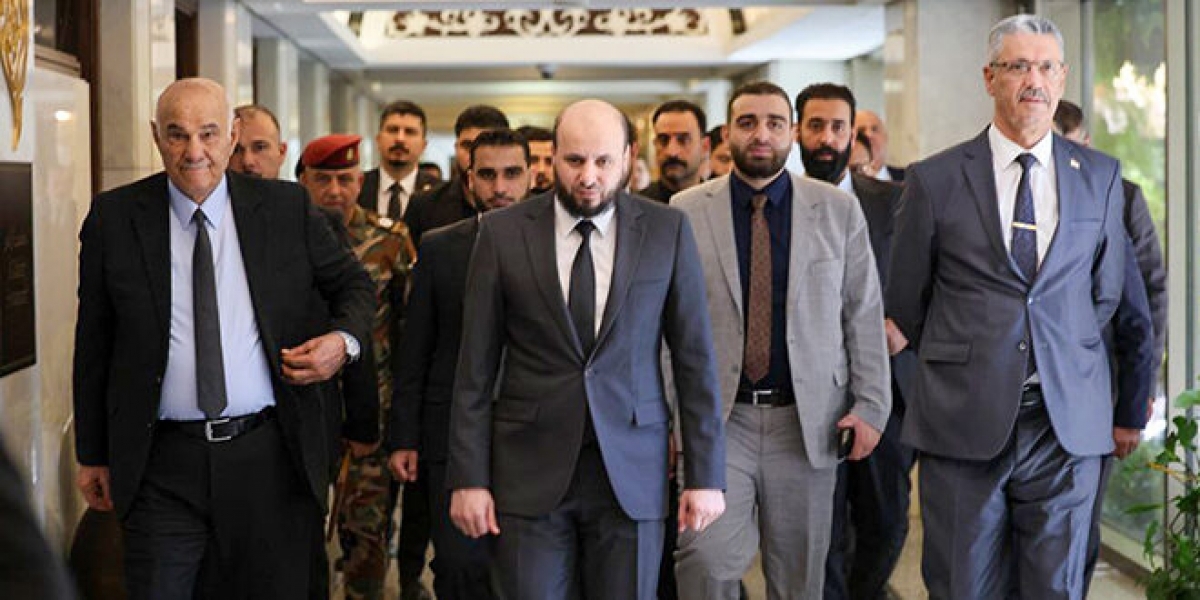
Iraqi Minister of Water Resources Aoun Diab Abdullah and Syrian Minister of Energy Mohammed al-Bashir met in Baghdad on Tuesday to strengthen coordination on managing the Euphrates River, amid growing concerns over declining water flows and regional tensions.
The discussions centered on existing water-sharing agreements, particularly the 1987 protocol between Syria and Turkey, followed by a 1989 accord between Syria and Iraq, which set allocations for each country. Both ministers stressed the need to uphold these agreements as water levels in the Euphrates continue to drop, threatening agriculture, drinking water supplies, and hydropower generation.
To address these challenges, the ministers proposed a tripartite meeting with Turkey—the upstream source of the Euphrates—to negotiate fair and sustainable water distribution. Additionally, they agreed to form joint technical teams to inspect water measurement stations in Jarabulus, northern Syria, upgrade monitoring equipment, and improve the accuracy of hydrological data.
The Euphrates, which originates in Turkey and flows through Syria before reaching Iraq, is a lifeline for millions in the region. Iraq has repeatedly accused upstream nations of excessive damming and diversion, while environmental groups warn of worsening shortages due to climate change and mismanagement.
In a separate meeting earlier on Tuesday, Syrian Energy Minister al-Bashir met with Iraqi Oil Minister Hayyan Abdul Ghani to discuss reviving the long-dormant Kirkuk-Baniyas oil pipeline. The pipeline, inactive for decades, could provide Iraq with a new export route through Syria’s Mediterranean port of Baniyas if reopened.
The project, if realized, would offer Iraq an alternative to its reliance on southern export routes and could strengthen economic ties between Baghdad and Damascus. However, logistical, political, and security challenges remain, given Syria’s ongoing instability and international sanctions.