Kurdish Politician: Agreement with Syrian Kurds Key to New Syria’s Stability
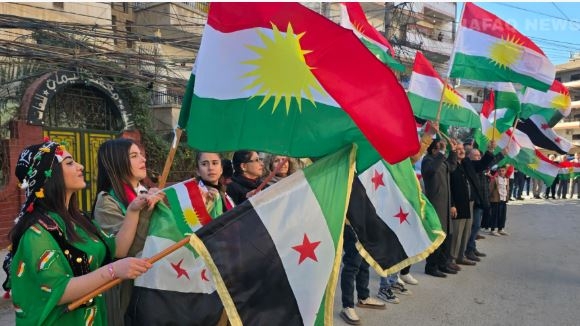
A prominent Syrian Kurdish politician emphasized on Sunday that reaching an agreement with representatives of the Kurdish people in Syria will be a crucial starting point for achieving political and social stability in the country and for laying the groundwork for a new, inclusive Syria.
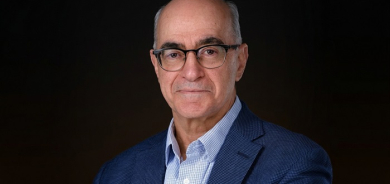
Yashar Haj Ali, a member of the Executive Office of the Kurdish Reform Movement in Syria—one of the parties within the Kurdish National Council (ENKS)—highlighted the importance of dialogue between the Kurds and the emerging Syrian authority.
“I am certain that Damascus is, in principle, ready to receive the Kurdish delegation and discuss an agenda to begin talks about the Kurds’ role in Syria’s future,” Ali stated. He added that such talks would also include “the responsibilities on both sides in shaping the new Syria and exchanging visions and ideas.”
According to Ali, both the Syrian capital and the new authority remain open to dialogue. However, he stressed that much depends on the outcomes of the discussions.
He also noted the active involvement of international actors, particularly the United States and France, in encouraging intra-Syrian dialogue. “The American and French roles are active in pushing the dialogue process among Syrians,” Ali said. “It is in everyone’s interest to move Syria toward political and social stability, and an agreement with representatives of the Kurdish people will be a fundamental starting point for achieving that goal.”
Reaffirming U.S. support for Kurdish-Damascus talks, Ali said, “The Americans support dialogue between the Kurds and Damascus.”
Ali expressed optimism for a democratic transformation in Syria following the anticipated collapse of the current regime. “The Syrian people hope for a better future after the escape of the head of the regime and its collapse, in building a Syria that accommodates all ethnic, religious, and sectarian components,” he said. “The aim is to establish a pluralistic and democratic Syria.”
However, Ali also warned against divisive media rhetoric, stating that it poses a threat to public sentiment, which should instead be harnessed to support the building of a new and unified Syria. “Such media mobilization reflects an exclusionary ideological approach and a refusal to accept the other—an approach deeply rooted in Baathist ideology and perpetuated by certain factions during the revolution.”
He criticized current political discourse that he said promotes dominance and majority rule, noting that it disregards the diverse makeup of Syrian society.
“There is no solution to these issues except to regulate the political process in coordination with Syria’s political and ethnic components,” Ali asserted. “Moreover, actions of militias and factions scattered across the country must be brought to an end.”