Kurdistan PM Masrour Barzani’s "Exceptionally Strategic" U.S. Visit Focuses on Tensions with Baghdad, Energy Deals
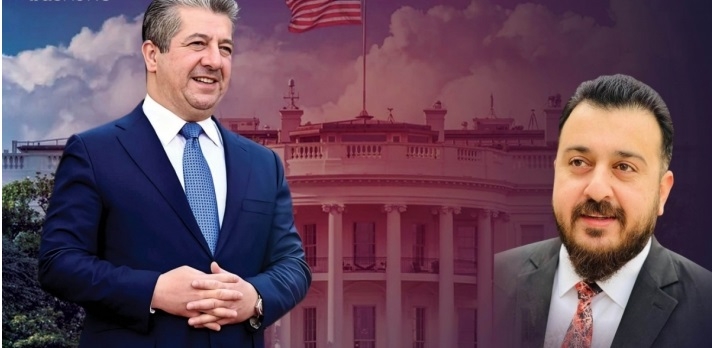
Kurdistan Regional Government (KRG) Prime Minister Masrour Barzani’s ongoing visit to the United States has been described as “exceptionally strategic,” coming at a critical time in both domestic and regional politics. The trip, the first by a Kurdish leader under the Biden administration, highlights Washington’s commitment to strengthening ties with the Kurdistan Region of Iraq.
Noreldin Waisy, Press Secretary and Media Adviser to PM Barzani, emphasized the significance of the visit, which follows an official invitation from the U.S. government. He called it a “milestone” in Kurdish-American relations and an opportunity to advance shared strategic interests.
In an interview with London-based Al Arab newspaper, Waisy stressed that the KRG seeks a constitutional resolution to its disputes with Baghdad, not conflict. “This visit is crucial not just for bilateral relations but for amplifying the Kurdistan Region’s perspective to the international community,” he said.
Waisy accused the Iraqi federal government of “systematic financial pressure,” including withholding Kurdistan’s share of the federal budget and delaying civil servant salaries. He claimed Baghdad has violated multiple agreements, including the State Administration Agreement that paved the way for Iraq’s current government.
“The federal government’s actions reflect a deeply entrenched centralist mindset that seeks to undermine the Kurdistan Region’s constitutional rights,” Waisy said. He cited “chronic violations” of revenue-sharing principles, alleging Baghdad uses financial entitlements, like salary payments, as a “political tool.”
Waisy also addressed the prolonged halt in Kurdistan’s oil exports, imposed by Baghdad for over two years, which he said has cost Iraq and the KRG billions in lost revenue.
“Baghdad’s aim is clear: to exclude Kurdistan from the global energy map and force concessions that infringe on our constitutional authority,” he said. “This is part of a broader effort to dominate Iraq’s wealth through centralized control.”
Waisy criticized what he called a “disinformation campaign” by some Iraqi politicians framing Kurdistan as a financial burden. He dismissed claims that delayed salary payments were a “benevolent gesture,” stating that the KRG receives less than 5% of its rightful budget share—far below the constitutionally mandated 14%.
Barzani’s agenda in Washington includes meetings with senior U.S. officials, Congress members, think tanks, and investors. He is also expected to sign energy agreements with major U.S. firms.
Waisy expressed hope for stronger international backing for Kurdistan’s constitutional rights but warned of escalating risks if Baghdad continues its “centralist policies.”
“If this persists, Erbil-Baghdad relations could deteriorate irreversibly, threatening Iraq’s political balance and stability,” he said.
Waisy urged Baghdad to take immediate steps to address grievances, stating, “The ball is in their court—but inaction will have consequences for all of Iraq.”