Iraq Welcomes Trump’s Decision to Lift Sanctions on Syria, Hopes for Regional Stability
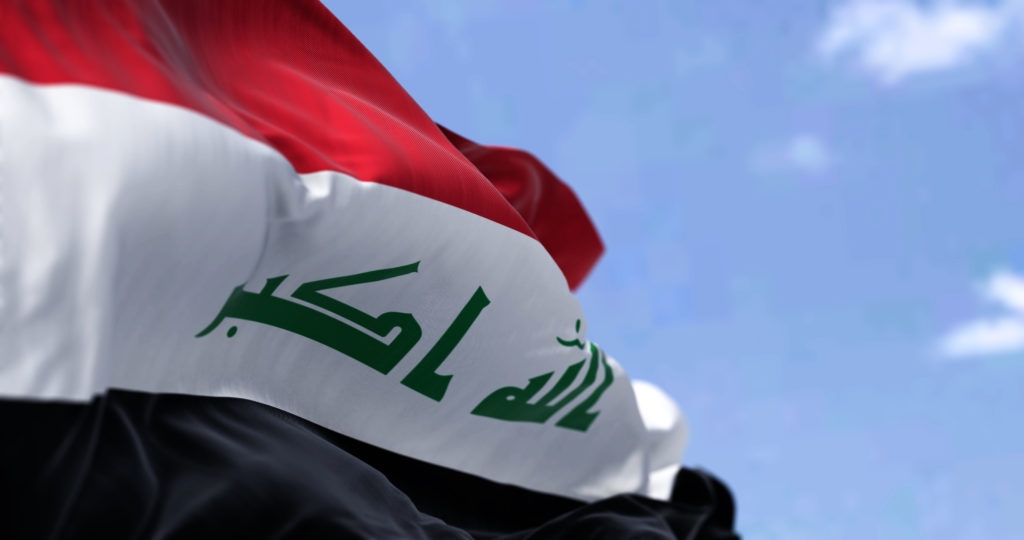
Iraq has welcomed U.S. President Donald Trump’s announcement to lift sanctions on Syria, expressing hope that the move will contribute to regional stability and alleviate the humanitarian crisis in the war-torn country.
In a statement released late Tuesday, Iraq’s Foreign Ministry said it “welcomes the announcement by the President of the United States of America, Donald Trump, of his intention to lift the sanctions imposed on the sisterly Syrian Arab Republic.” The ministry expressed optimism that the decision “will contribute to supporting the path of stability sought by the Syrian people and ending their prolonged suffering caused by the humanitarian and economic crisis.”
President Trump made the announcement during a speech in Saudi Arabia, the first stop on his regional tour, which also includes visits to the United Arab Emirates and Qatar.
“I will be ordering the cessation of sanctions against Syria in order to give them a chance at greatness,” Trump declared, signaling a potential shift in U.S. policy toward Damascus.
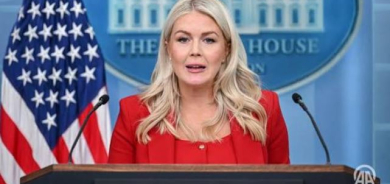
Earlier on Tuesday, a White House official confirmed that Trump is expected to meet Syria’s interim President, Ahmed al-Sharaa, on Wednesday during his visit to Saudi Arabia. Speaking on background, the official stated that “President Trump has agreed to say hello to the Syrian President while in Saudi Arabia tomorrow.” No further details were provided.
Iraq also commended Saudi Arabia’s diplomatic efforts, stating that the Kingdom’s “intensive diplomatic efforts under the leadership of King Salman bin Abdulaziz Al Saud and Crown Prince Mohammed bin Salman have played a key role in supporting the Syrian people and reaching this initiative.”
Baghdad expressed hope that the development would “mark the beginning of a new phase of international cooperation to end the Syrian crisis, through supporting comprehensive peaceful solutions that preserve Syria’s unity and sovereignty and ensure the rights of all components of the Syrian people.”
The ministry emphasized the importance of Arab solidarity at this “critical stage,” reaffirming Iraq’s commitment to strengthening cooperation among regional allies and calling for a unified front to “combat terrorism in all its forms and prevent its spread.”
On December 8, 2024, a coalition of opposition groups led by Hay’at Tahrir al-Sham (HTS), then commanded by al-Sharaa, ousted the regime of longtime dictator Bashar al-Assad. Sharaa was appointed interim president in late January.
Since taking power, Syria’s new leadership has repeatedly urged the international community to lift Assad-era sanctions, arguing that they hinder economic recovery and post-war reconstruction.
The U.S. had previously issued a six-month sanctions exemption to facilitate humanitarian aid, though Syrian officials claimed the measure had limited impact. In March, Washington presented Damascus with eight conditions for potential sanctions relief, including the destruction of remaining chemical weapons and guarantees against foreign nationals holding senior government positions.
Speaking to Rudaw on Saturday, Syrian Economy Minister Mohammed Nidal al-Shaar expressed confidence that the sanctions issue “will be resolved in the near future.”
The lifting of sanctions could mark a significant turning point for Syria’s economy and humanitarian situation, though regional and international responses remain to be seen.