Kurdistan Health Ministry Issues Guidelines for Safe Livestock Slaughter to Prevent Hemorrhagic Fever
Erbil, Kurdistan Region – The Kurdistan Regional Government’s (KRG) Ministry of Health has released a set of strict guidelines for the slaughter of livestock to prevent the spread of hemorrhagic fever, a serious and potentially fatal disease.
The ministry emphasized the importance of adhering to scientific and hygienic practices during slaughter to minimize health risks. The guidelines come amid growing concerns over outbreaks of hemorrhagic fever linked to unsafe animal handling.
Key Safety Measures for Slaughtering Livestock
Licensed Slaughterhouses Only – All livestock must be slaughtered in officially approved facilities under veterinary supervision.
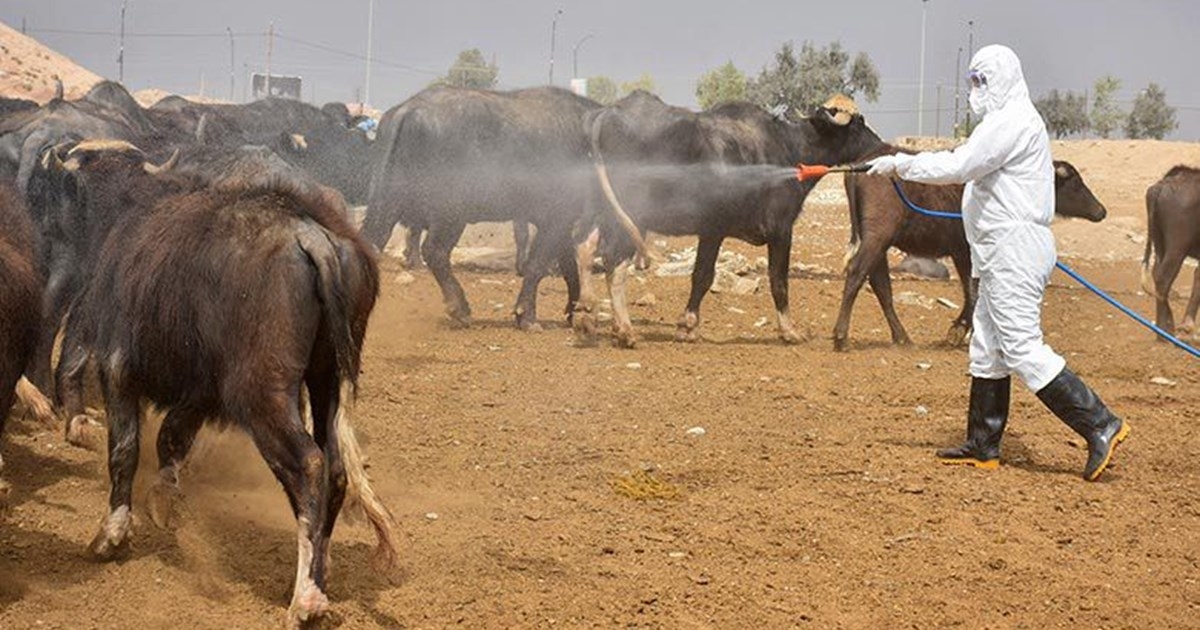
Protective Gear Mandatory – Butchers and handlers must wear special clothing, gloves, shoes, and face masks to prevent contamination.
No Crowding During Slaughter – Gatherings of family members or bystanders near slaughtering areas are prohibited.
Safe Meat Handling – Meat should only be handled while wearing protective gloves, and hands must be thoroughly washed afterward.
Proper Disposal of Waste – Remains of slaughtered animals must be sealed in tight bags and disposed of in designated areas.
Dedicated Tools & Cleaning – Separate knives and cutting boards should be used for meat, and all equipment must be cleaned thoroughly after use.
Disinfection with Chlorine – Slaughter areas, especially those exposed to blood, must be disinfected with chlorine.
Proper Meat Storage – Freshly slaughtered meat should be stored at 4-8°C for at least 30 minutes before further processing. Cooked meat is considered safe for consumption.
Avoid Slaughtering Sick Animals – Animals showing signs of disease should not be slaughtered to prevent infection risks.
Public Awareness & Compliance Urged
Health officials have called on citizens, butchers, and livestock traders to strictly follow these guidelines to curb the spread of hemorrhagic fever. The ministry also warned against informal or unregulated slaughtering practices, which pose significant health hazards.
Hemorrhagic fever, transmitted through contact with infected animals or contaminated blood, can lead to severe illness and even death if proper precautions are not taken. The KRG’s latest measures aim to ensure public safety while maintaining food hygiene standards.
Authorities have urged the public to report any violations or unsafe slaughtering practices to local health departments.