Postponement of Kirkuk Census Tied to Political and Security Agreement
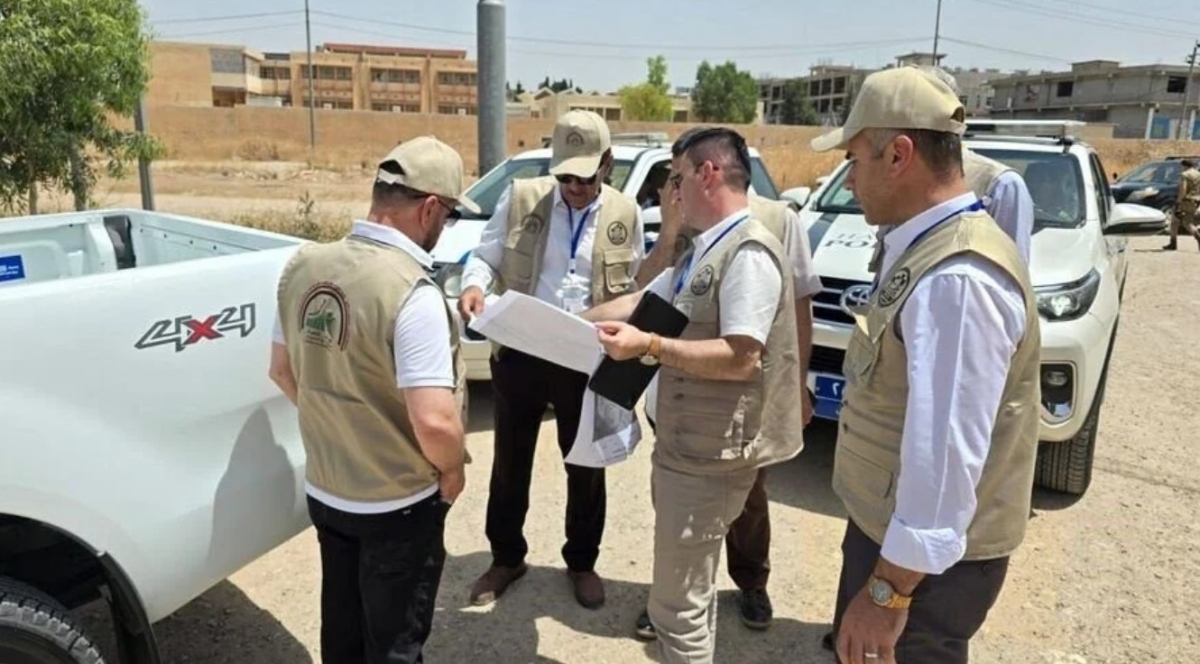
The postponement of the census in Kirkuk remains dependent on reaching a political and security agreement, according to Abdul Zahra Hindawi, spokeswoman for Iraq's Ministry of Planning. Hindawi emphasized that while the Ministry of Planning is responsible for implementing the census, the delay is linked to broader security and political considerations beyond the ministry's control.
"This issue is tied to security and political factors. While we, in the Ministry of Planning, cannot determine the timeline, we have reached an agreement with all communities in Kirkuk to carry out the census," Hindawi stated, stressing the importance of political consensus for the process to move forward.
The Ministry of Planning also reported that Iraq’s population continues to grow rapidly, with annual increases of 1 to 1.5 million people. Iraq’s total population last year reached 43 million. Hindawi explained that the census would take into account population density, age distribution, and the number of women in the community, with 11 key points outlined for conducting the census.
In terms of services, Hindawi noted improvements in Iraq’s health, water, and education sectors over the past two to three years. Approximately 85% of citizens have benefited from the health sector, 90% have access to clean water, and 85% of children are now in education, with around 5,000 new schools established.
However, Hindawi acknowledged the economic challenges Iraq has faced, stating, "The economic crisis in recent years has pushed about seven million Iraqis below the poverty line, with many now reliant on social assistance."
Meanwhile, Mohammed Kamal, head of the third branch of the Kurdistan Democratic Party (KDP), called for postponing the census in Kirkuk until the implementation of Article 140 of the Iraqi Constitution, which addresses the disputed territories. Kamal also urged refugees from Erbil and Sulaimani to return to Kirkuk and register for the census.
Kamal highlighted demographic changes in Kirkuk's Zartki village, where no Arab families were present in 1988. However, 36 years later, the village is home to 28 Arab families, while only eight Kurdish families have returned. This demographic shift remains a point of contention in the ongoing discussions surrounding the census and Article 140.