Iraqi Government's Camp Closure Plan Raises Concerns for Sinjar Displaced
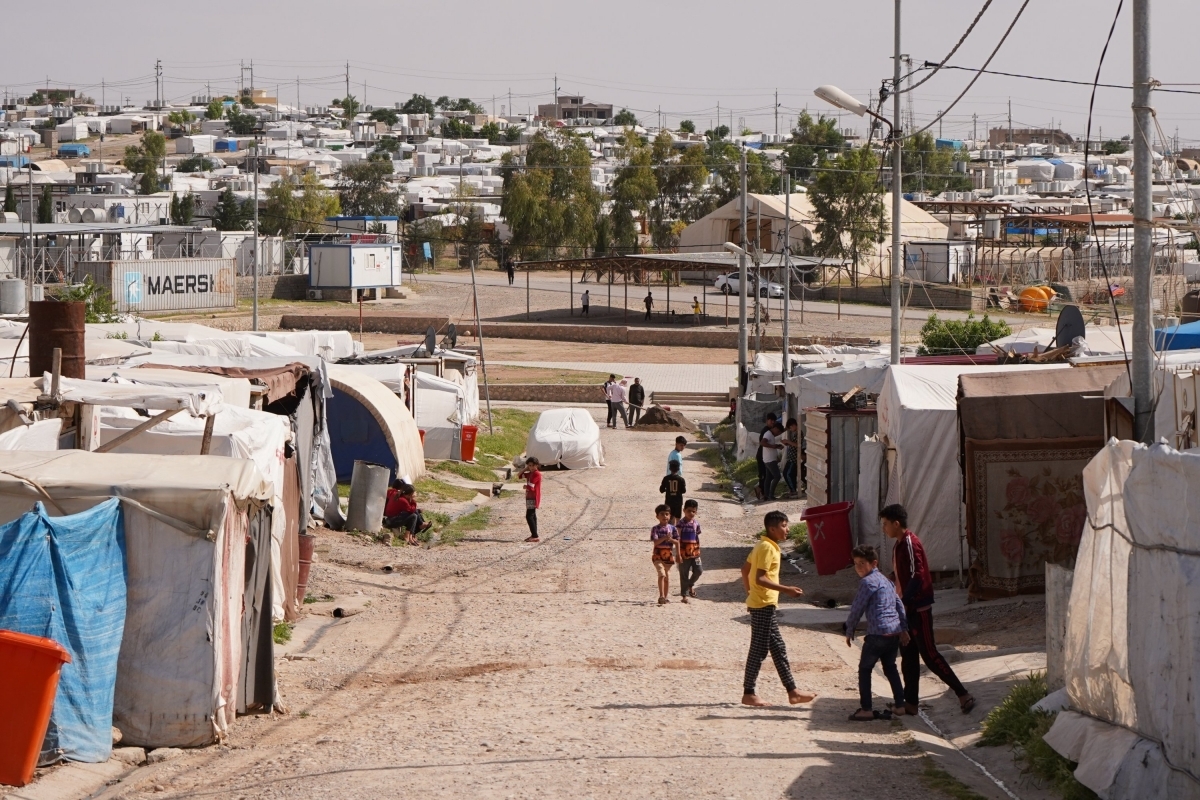
In a recent development, Human Rights Watch (HRW) has raised concerns over the Iraqi Federal government's decision to close displaced people’s camps in the Kurdistan Region, particularly affecting residents from Sinjar. According to HRW, the planned closure, scheduled by a July 30 deadline, risks jeopardizing the rights and safety of numerous camp residents.
Sinjar, a region heavily affected by the conflict with the Islamic State (IS) between 2014 and 2017, remains plagued by insecurity and a lack of essential social services, posing challenges for the thousands of displaced individuals who may soon be compelled to return.
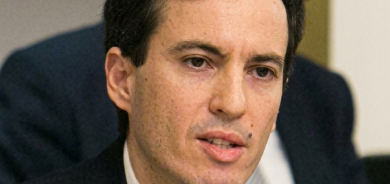
Sarah Sanbar, an Iraq researcher at Human Rights Watch, emphasized the necessity for safe and voluntary returns, highlighting the prevailing issues in Sinjar, including inadequate infrastructure, essential services, and safety concerns.
The Kurdistan Regional Government’s Interior Ministry reports that currently, 23 camps across the Kurdistan Region house approximately 157,000 individuals, a significant portion of whom hail from Sinjar.
The International Organization for Migration (IOM) estimates that around 183,000 people from Sinjar continue to be displaced, with 85 percent of the Yezidi population affected. Notably, 65 percent of towns and villages in Sinjar host significantly reduced populations, with no returns recorded in 13 areas since 2014.
In an effort to incentivize returns, the Iraqi Ministry of Migration and Displacement announced a deadline of July 30, along with a package of aid and benefits for returnees, including financial assistance, potential employment opportunities, and social security benefits.
Despite these initiatives, concerns persist among displaced individuals regarding the readiness and safety of Sinjar for repatriation. Residents argue that the government must provide adequate compensation for rebuilding homes and essential services before expecting returns.
The Iraqi Prime Minister's Office has outlined options for internally displaced persons (IDPs) from Sinjar, including return to Sinjar, relocation to federal-controlled cities, or remaining in Kurdistan Region outside the camps. However, the situation remains complex given the prevailing challenges in Sinjar.
The fate of Sinjar's displaced population hangs in the balance as stakeholders navigate the delicate balance between humanitarian concerns and the imperative for displaced individuals to rebuild their lives safely and sustainably.