Iraqi Prime Minister Declares Iraq No Longer Needs Foreign Combat Forces
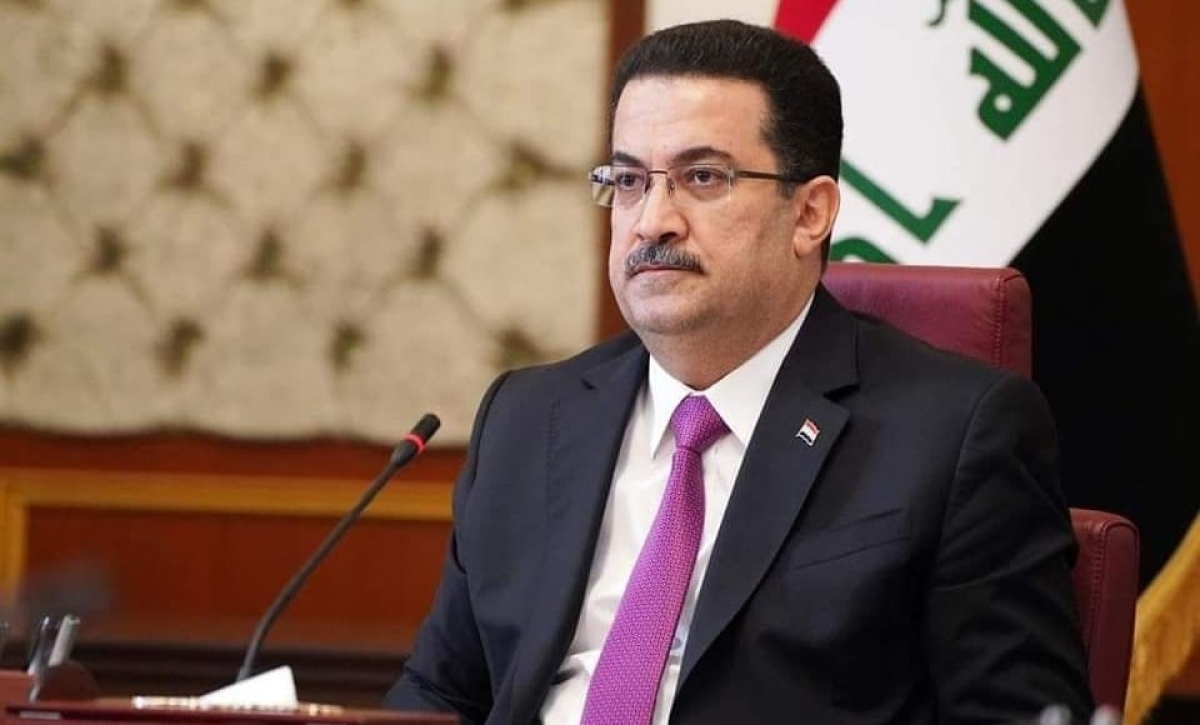
In a significant announcement made during an interview with Bloomberg News Channel in New York, Iraqi Prime Minister Mohammed Shia' al-Sudani emphasized that Iraq no longer requires the presence of foreign combat forces within its borders. The statement, issued by Sudani's media office, underlined Iraq's self-reliance in maintaining its security and stability.
"Our official stance is clear: Iraq does not require any foreign military presence or combat forces within its borders. We have capable security services responsible for maintaining security within the country," the statement declared.
The prime minister went on to reveal that mutual understanding and shared conviction have been reached regarding the redundancy of foreign combat forces on Iraqi soil. Instead, both Iraq and its international partners are exploring the possibility of joint programs focused on training and information exchange. The specifics of these collaborative initiatives will be determined by technical committees.
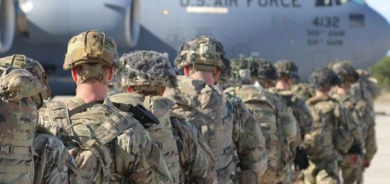
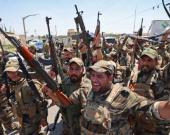
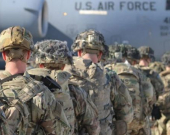
This statement comes against the backdrop of historical developments in Iraq's relationship with foreign military forces. In 2008, the United States initiated a gradual withdrawal of its combat troops from Iraq, culminating in a complete withdrawal in 2011. However, a contingent of 2,500 U.S. troops has remained in Iraq to date. These troops have primarily been engaged in advising and training Iraqi forces and the Peshmerga, the Kurdish military forces, as part of the global coalition fighting the Islamic State (IS) jihadist group.
The announcement by Prime Minister Sudani signals a significant shift in Iraq's approach to its security landscape and international partnerships. It underscores the nation's growing confidence in its own security apparatus and its determination to maintain sovereignty over its territory.
As Iraq and its international partners work on the details of these proposed training and cooperation programs, the global community will closely monitor this development and its potential implications for the region's security dynamics.