US Reportedly Ties Release of $30 Billion in Iraqi Assets to Disbanding Iran-Backed Armed Groups
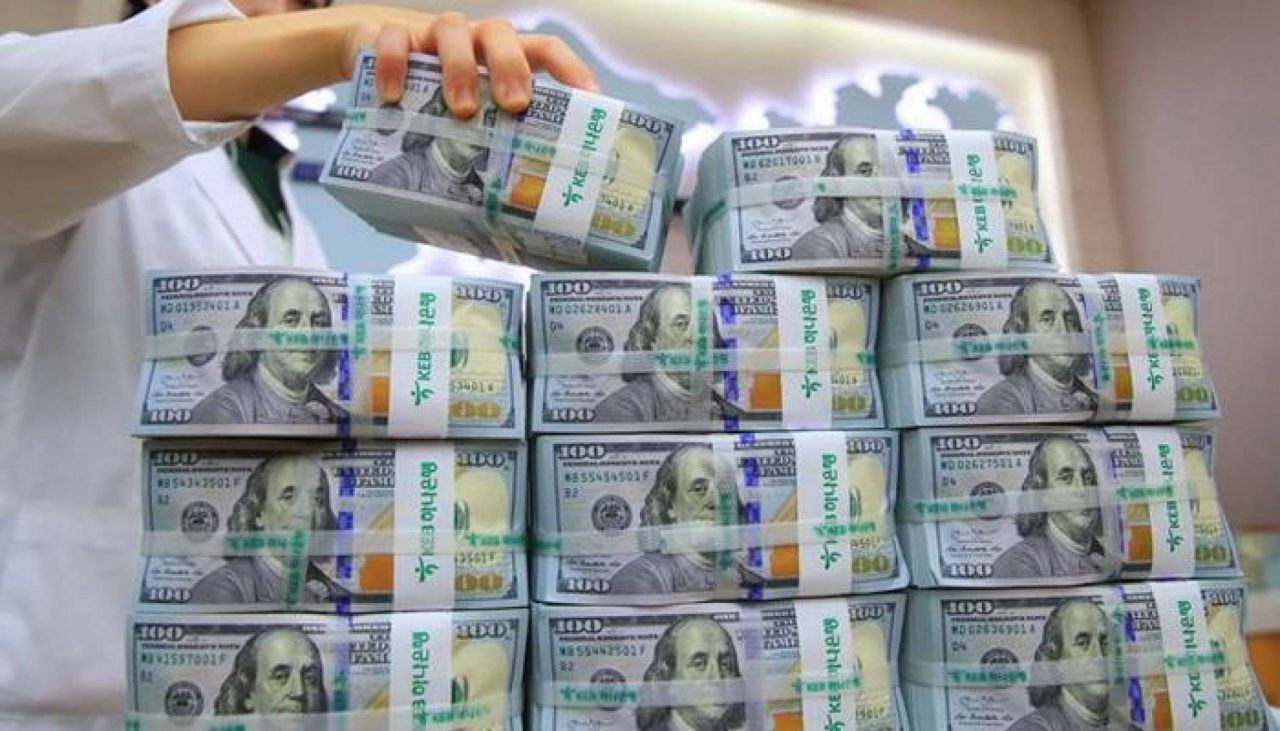
The United States has reportedly linked the release of nearly $30 billion in frozen Iraqi financial assets to concrete measures by Baghdad aimed at dismantling Iran-backed armed groups and strengthening state control over weapons, according to sources familiar with the matter.
The reported conditions come as Iraq faces mounting financial pressure, with widening budget deficits raising concerns over the government's ability to pay salaries for public employees, retirees, and social welfare beneficiaries.
According to the sources, the Iraqi federal government has sought to prevent financial disputes from becoming a political tool while pursuing international support to address the country's growing economic challenges. However, the administration of US President Donald Trump has tied progress on the release of the frozen funds to significant security and economic reforms.
The assets, frozen since the era of former Iraqi President Saddam Hussein, have long been a key objective for Baghdad, which hopes to recover them to bolster state finances and strengthen foreign reserves.
Iraqi officials had reportedly expected Prime Minister Ali Zaydi's recent visit to Washington to reopen negotiations on the issue. However, no proposal has been submitted by the US administration to Congress to authorize the release of the funds, leaving the matter unresolved.
Sources said Washington's conditions focus on two key areas: ensuring that all weapons remain under the authority of the Iraqi state by dismantling Iran-linked armed factions, and improving the investment climate for American companies operating in Iraq.
Iraq has maintained financial assets abroad for decades, many of which were frozen or became subject to legal disputes following international sanctions imposed after the country's 1990 invasion of Kuwait. Baghdad has repeatedly sought to recover these funds as part of efforts to stabilize its finances.
The push comes at a time of increasing fiscal strain. Finance Minister Faleh Sari has acknowledged a serious budget shortfall, noting that monthly salary obligations alone amount to approximately 7.8 trillion Iraqi dinars, placing heavy pressure on public finances.
Government spokesman Haider Aboudi has also warned of a widening gap between state revenues and expenditures. According to Aboudi, Iraq requires around 10.8 trillion dinars each month to cover salaries and other government spending, while current oil revenues generate only about 2.5 trillion dinars, underscoring the scale of the financial challenge.