Hezbollah Targets Israeli Airbase as Conflict with Israel Escalates
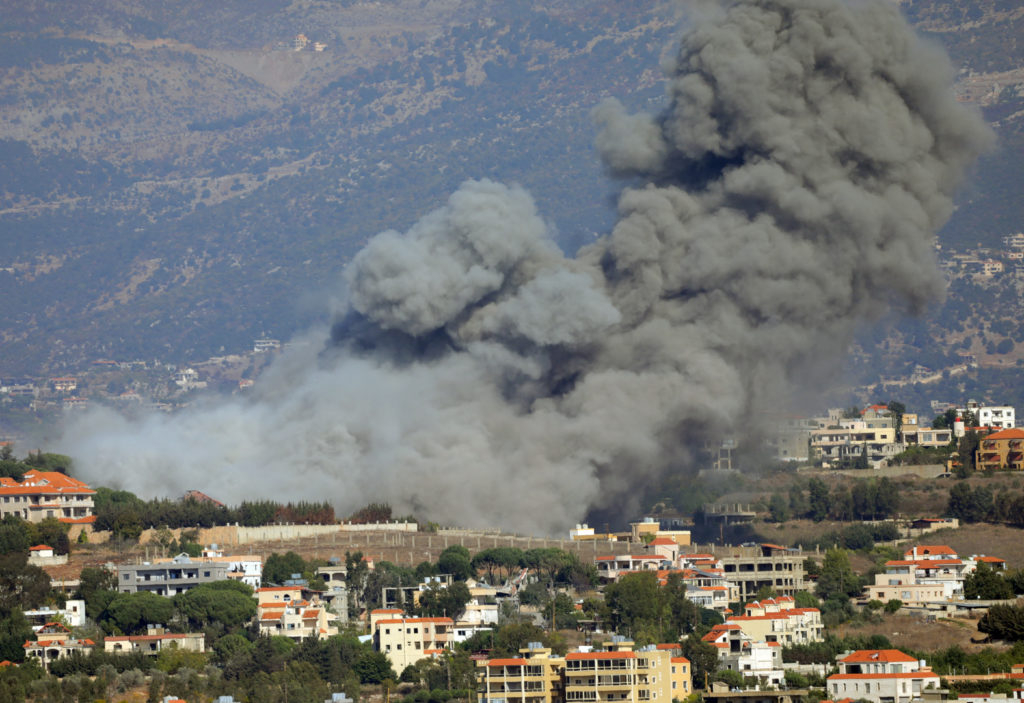
The Iran-backed militant group Hezbollah has claimed responsibility for a missile strike on an Israeli airbase south of Tel Aviv, signaling a dangerous escalation in hostilities between the group and Israel.
In a statement, Hezbollah said its fighters targeted Palmachim Airbase, located approximately 140 kilometers (85 miles) from the Lebanese-Israeli border, using what it described as an “advanced missile.” The group also claimed several other operations in northern Israel and near the border inside Lebanon. Israel has not immediately confirmed the attack on the airbase.
The renewed exchange of attacks comes amid ongoing Israeli airstrikes and military operations in Lebanon, raising concerns among analysts that the conflict could redefine Hezbollah’s role as a regional force.
Hezbollah suffered significant losses in a war with Israel over a year ago but has since regrouped. The group describes the current confrontation as an “existential battle.”
The recent escalation follows attacks by Hezbollah after the killing of Iran’s supreme leader Ali Khamenei in strikes involving the U.S. and Israel, which drew Lebanon further into the regional conflict. Israeli forces have responded with air raids, ground troop deployments near the border, and evacuation warnings that have displaced hundreds of thousands of civilians.
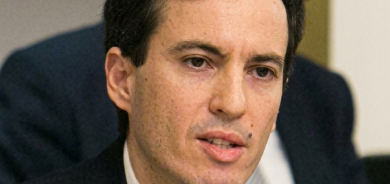
Hezbollah’s deputy leader Naim Qassem said Friday that the movement is prepared for a prolonged confrontation, asserting: “This is an existential battle… we will not allow the enemy to achieve its goal of eliminating our existence.”
A Hezbollah source told AFP that the group is “all in,” and that either Hezbollah will be destroyed or a new balance of power will force Israel to withdraw fully from Lebanon and cease military operations. The source said Hezbollah had anticipated confrontation with Israel for months but waited for a regional shift, citing the U.S.-Israeli war against Iran as a key factor.
Following the 2024 conflict, Israel continued strikes in Lebanon despite a ceasefire, killing around 500 people, including Hezbollah fighters. The group largely refrained from retaliation during that period but has now resumed attacks after reorganizing its ranks.
The renewed fighting has sparked criticism within Lebanon. Some officials and citizens blame Hezbollah for dragging the country into another potentially devastating conflict. Military analyst Hassan Jouni described the stakes as unusually high, saying, “For Hezbollah, this is an existential battle… it will fight until the last breath. For Israel, this is the final battle against Hezbollah.”
Despite losing a key supply route through Syria after the fall of President Bashar al-Assad, Hezbollah retains significant military capabilities. Israeli military spokesman Nadav Shoshani warned that the group continues to possess “significant amounts of weapons that endanger Israeli civilians.”
Lebanese President Joseph Aoun has called for direct negotiations with Israel to de-escalate tensions, but Israeli officials reportedly have not responded, continuing to demand Hezbollah’s disarmament. Last week, Lebanon banned Hezbollah’s military and security operations, accusing the group of risking the collapse of the state “for the sake of the Iranian regime’s calculations.”