Iraq Plans 50 New Dams to Bolster Water Reserves Amid Severe Crisis
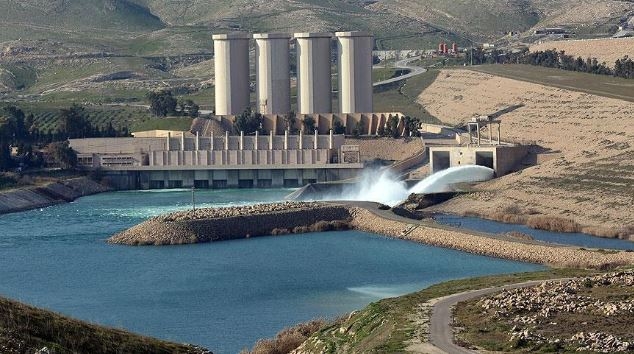
The Iraqi government has announced a major national strategy to construct 50 new dams and water barriers to combat chronic water shortages, a plan officials say is urgently needed but contingent on securing significant funding.
Wissam Khalaf Obaid, director general of the Authority for Dams and Reservoirs, outlined the proposal in an interview with the state-run Iraqi News Agency (INA) on Thursday. He stated that the "future proposals" form part of a long-term plan to increase the country's water storage capacity.
"The realization of this plan on the ground depends on the provision of sufficient funding to speed up the pace of design preparation and cover construction costs," Obaid emphasized, highlighting the financial challenges facing the ambitious project.
The proposed dams are geographically spread, with the majority planned for northern and western provinces: 23 in Nineveh, 12 in Anbar, six in Najaf, five in Muthanna, and three in Diyala. One dam each is slated for Wasit and Diwaniyah, with two more locations yet to be determined.
According to Obaid, construction is already underway on several key projects within the existing strategy, including the al-Massad Dam in Anbar, the al-Shara’a Dam in Nineveh, and the al-Safra Dam in Diyala.
The announcement comes as Iraq grapples with an acute water crisis. The Ministry of Water Resources noted in mid-December that recent rainstorms had increased water reserves in existing dams by over 700 million cubic meters. However, officials cautioned that this influx only partially mitigates severe deficits accumulated after five consecutive years of drought and reduced river flows.
Iraq is classified by the World Resources Institute as one of 25 countries facing "extreme water stress," consuming more than 80% of its available renewable water supply. The crisis is intensified by climate change, rising temperatures, and most critically, upstream dam construction in neighboring Turkey and Iran, which has drastically curbed water inflows.
Iraqi officials report that the country currently receives less than 40% of its entitled share from the Tigris and Euphrates rivers, the twin lifelines of Mesopotamian civilization. The new dam strategy represents a domestic effort to capture and conserve more of the available water resources within its borders.