Iraqi Army Official: ISIS No Longer a Major Threat to National Stability
A senior Iraqi military commander stated on Wednesday that remnants of the Islamic State (ISIS) no longer pose a serious threat to the country's stability, citing enhanced cooperation with Kurdish forces and ongoing coordination with the US-led coalition.
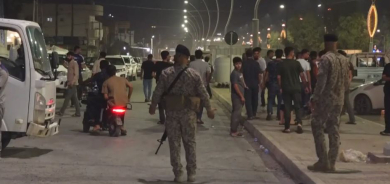
In an interview with Rudaw, Qais al-Muhammadawi, deputy commander of Iraq's Joint Operations Command, acknowledged that while ISIS sleeper cells remain active, the group's capacity has been severely degraded. "Daesh [ISIS] is no longer a big threat to Iraq. All they have is a little bit of movements and a number of sleeper cells in some areas of Kirkuk and deserts of Anbar [province], and we will destroy them," Muhammadawi said.
The militant group, which overran large swathes of Iraq in 2014, was declared territorially defeated in 2017. However, it has continued to wage a persistent insurgency, carrying out abductions, bombings, and hit-and-run attacks, particularly in disputed territories claimed by both the federal government in Baghdad and the Kurdistan Regional Government (KRG).
Muhammadawi expressed confidence in the ongoing security operations, stating, "Daesh militants no longer have a place to hide, and they are unwelcome by people. We will continue our operations to eradicate them."
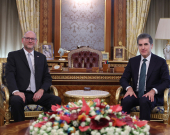
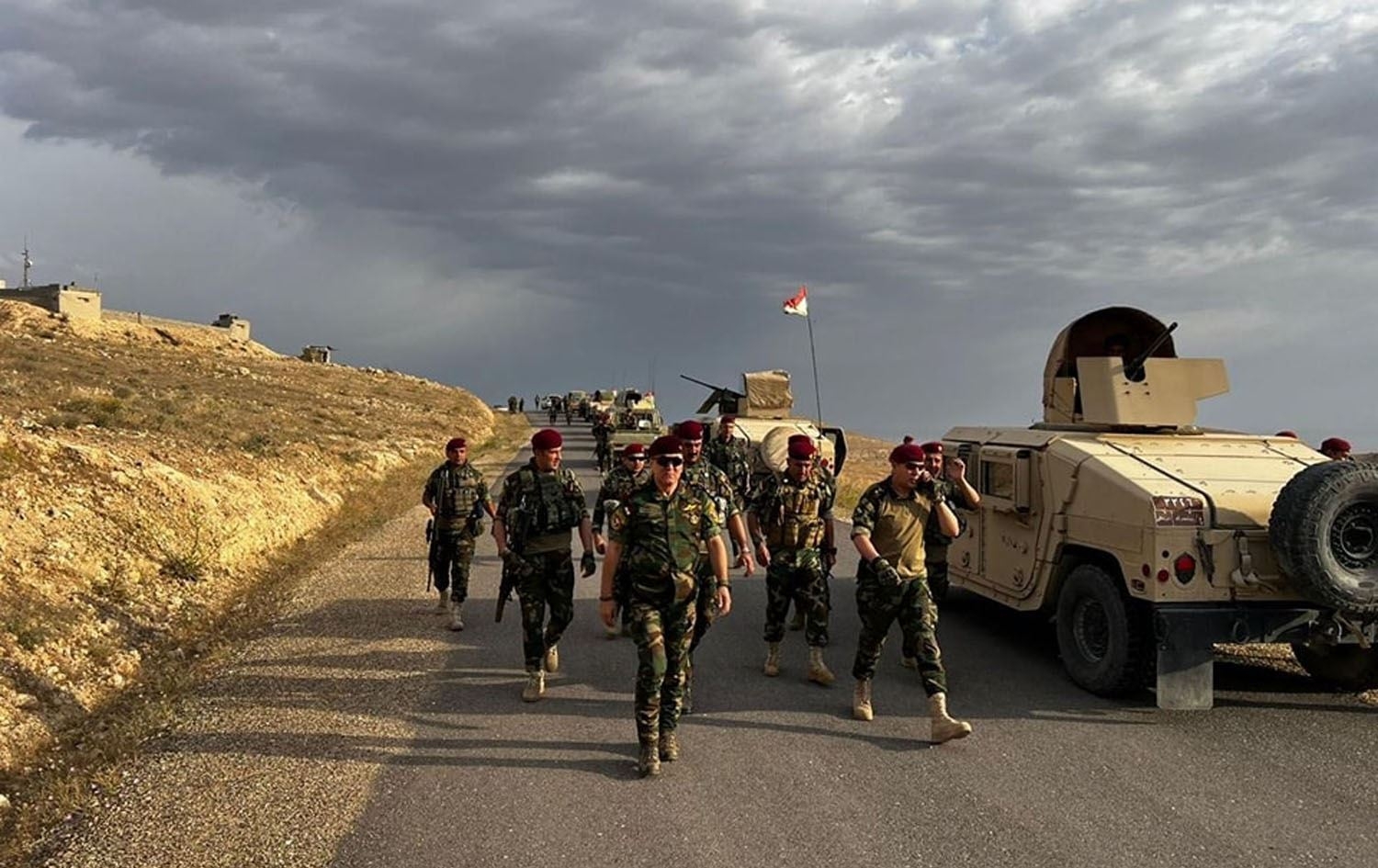
A key factor in this improved security outlook, according to the commander, is the "high-level" and "top-level" coordination between the Iraqi army and the formerly adversarial Kurdish Peshmerga forces. This cooperation has been a significant development following years of tension.
"We have two joint brigades with the Peshmerga. Together, we exert full efforts to minimize threats and fill security voids," he said, detailing that the forces operate from "five joint operations centers located in Kirkuk, Nineveh, and Diyala provinces."
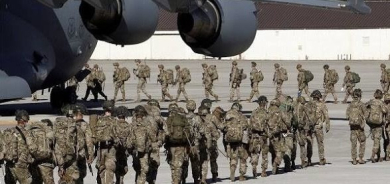
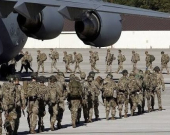
The comments come as the US-led Global Coalition, which was formed in 2014 and played a crucial role in supporting Iraqi forces against ISIS, prepares to withdraw. The coalition is scheduled to depart from key bases by the end of September 2025, with its mission set to fully conclude by September 2026.
Muhammadawi confirmed that an "active committee" is currently engaged in talks with the coalition to manage the transition. However, he emphasized that the withdrawal of foreign troops would not halt joint security efforts.
"The withdrawal of the American and coalition forces does not mean we will draw our coordination to an end," he asserted. "Our joint efforts to eradicate Daesh, once and for all, will persist."