Turkey to Increase Water Flow to Iraq Following Official Request from Baghdad
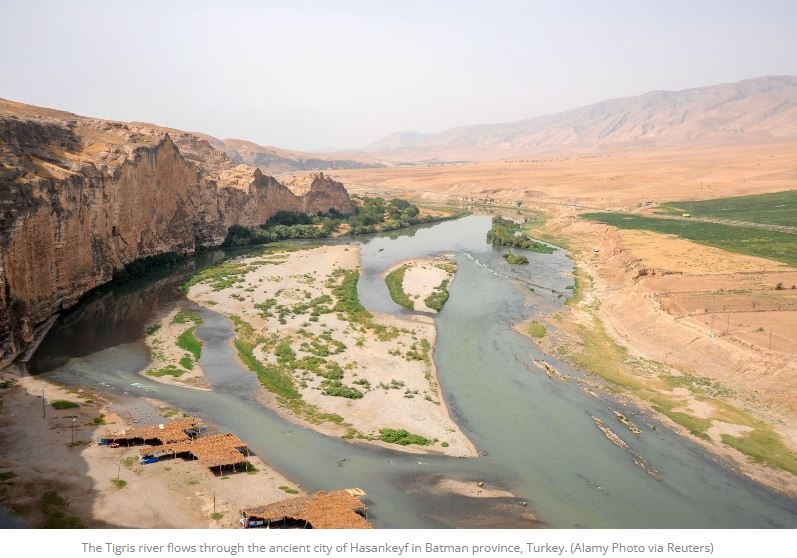
Turkey will begin increasing water releases to Iraq starting Friday, according to Iraqi media reports, in a direct response to an official request from the Iraqi government as it battles a severe and worsening drought.
The move was confirmed in a statement from the Iraqi Turkman Front on Thursday, which stated that Prime Minister Mohammed Shia’ al-Sudani had delivered an official letter to Ankara requesting the additional water. Turkish Foreign Minister Hakan Fidan reportedly pledged to approve the request.
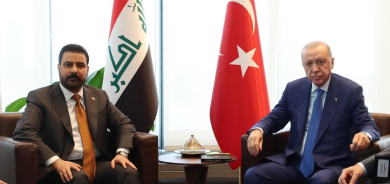
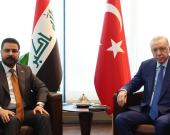
This development follows a recent meeting between al-Sudani and Turkish President Recep Tayyip Erdoğan in Doha, where the Iraqi leader expressed gratitude for Turkey's cooperation on the critical water issue.
This agreement marks the second such intervention in recent months. On July 1, 2025, Iraqi Parliament Speaker Mahmoud al-Mashhadani announced that President Erdoğan had agreed to release 420 cubic meters of water per second to Iraq, a measure that began the following day.
The decision comes amid mounting alarm over Iraq's water crisis. On Wednesday, influential Shiite cleric Muqtada al-Sadr urged the government to expand dialogue with Turkey to secure more water, warning that the country's reserves are nearing depletion.
Iraq’s water scarcity is driven by a confluence of factors. The Ministry of Water Resources stated in July that reduced upstream flows from Turkey and Iran, severely exacerbated by climate change, had drastically depleted the country’s water storage. They declared 2025 one of the driest years since 1933. Years of poor rainfall, coupled with extensive dam projects and water diversion policies by its upstream neighbors, have left the Tigris and Euphrates rivers at historic lows, raising fears of a widespread humanitarian crisis.
However, some remain skeptical of Turkey's commitments. The Green Iraq Observatory, an environmental watchdog, criticized the promises as "illusory" and warned against the politicization of the water crisis.
The country ranks among the world's five most climate-vulnerable nations, according to UN reports. The World Bank warned in 2022 that Iraq requires an estimated $233 billion in investments by 2040 to meet urgent development needs and transition to a more climate-resilient economy.
The human and economic toll is already severe. Iraq’s Strategic Center for Human Rights reports that the nation has lost approximately 30% of its agricultural land over the past three decades due to climate-related changes, desertification, and water scarcity.