Kurdistan Seeks U.S. Anti-Drone Technology Amid Security Threats, Minister Says
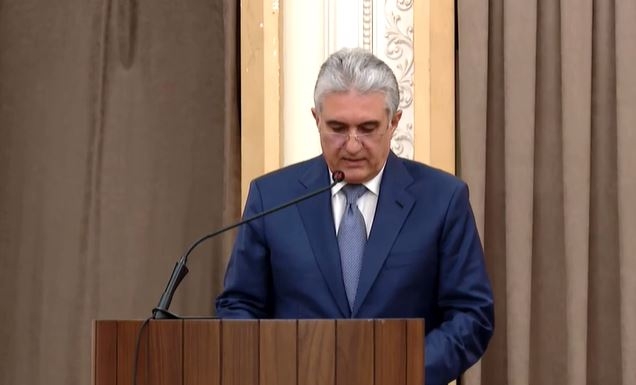
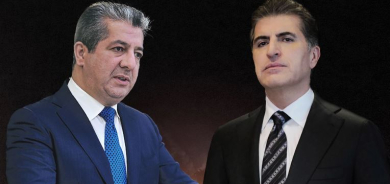
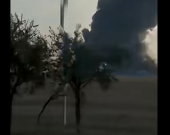
ERBIL, Kurdistan Region – The Kurdistan Regional Government (KRG) is actively seeking partnerships with American defense firms to acquire advanced anti-drone technology, its interior minister announced Monday, highlighting a critical need to counter a rising threat from drone attacks that have targeted oil infrastructure and crippled production.
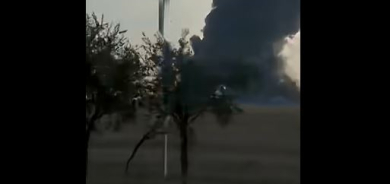
The announcement comes two months after a wave of attacks, which Kurdish officials blame on Iran-aligned militias, struck the region’s oil fields.
“Hostile actors in Iraq are increasingly using drones to target infrastructure and civilians,” Interior Minister Reber Ahmed told a U.S.-Kurdistan investment conference in Erbil. “Regional instability also creates risks that can spill over into our region. This is why we see such great value in working with American companies.”
The KRG documented nearly 20 rocket and drone attacks in July alone, with the assaults causing significant damage to oil infrastructure. The government blamed the attacks on Iraq’s state-sponsored Popular Mobilization Forces (PMF, or Hashd al-Shaabi), a charge the federal government in Baghdad vehemently denied as “unacceptable.”
The offensive halted production in some fields and reduced the region’s total oil output by approximately 70% before a recent oil and finance deal between Erbil and Baghdad helped halt the attacks.
Minister Ahmed pitched the security partnerships directly to U.S. companies at the conference, arguing that bolstering Kurdistan’s defenses would also protect international investments. “These partnerships will not only help protect Kurdistan, but will also help safeguard your people, your assets, and your investments,” he said.
The U.S. has a vested interest in the region's stability, officials noted. Safeen Dizayee, head of the KRG’s foreign relations department, stated that Washington’s stance on the attacks was “very strong,” noting that American companies were among those hit.
“Two of the four companies that were targeted were American oil companies,” Dizayee told reporters, referring to HKN Energy and Hunt Oil. He revealed that following the July attacks, Erbil formally asked Washington to provide defense systems.
The attacks drew condemnation from Human Rights Watch in late July, which described them as a “dangerous escalation” that risked inflaming tensions between the KRG and the federal government. The group also criticized Baghdad for using the suspension of public sector salaries in Kurdistan as “leverage” in oil and revenue negotiations—a long-standing point of contention.
The broader dispute between Erbil and Baghdad centers on oil and revenue sharing. Oil exports from the Kurdistan Region through the Iraq-Turkey pipeline have been halted since March 2023 following an international arbitration ruling in favor of Baghdad. According to Dizayee, the suspension has resulted in a staggering $28 billion in lost revenue to date.