Syrian Government Reaffirms Opposition to Federalism, Welcomes SDF Integration Under National Framework
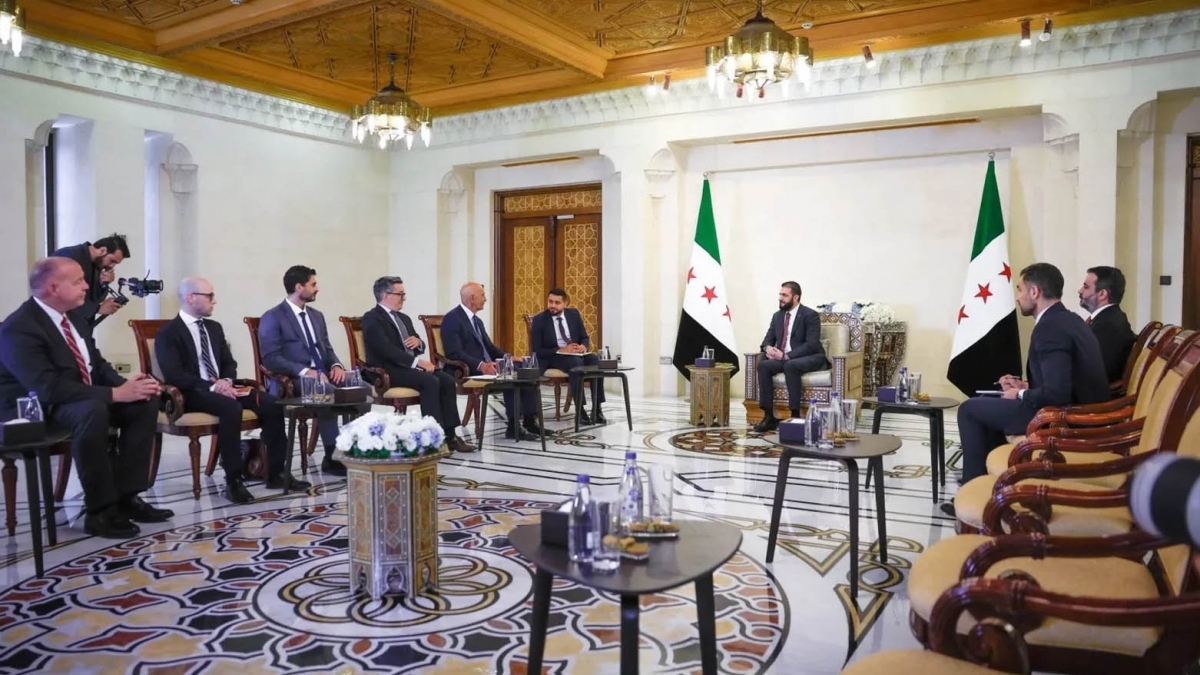
The Syrian government on Wednesday reiterated its rejection of federalism while expressing openness to efforts aimed at unifying the country, following recent progress in implementing an agreement with the U.S.-backed Syrian Democratic Forces (SDF).
In an official statement, Damascus emphasized its commitment to preserving Syria’s territorial integrity and opposed any form of division or separatist agendas. The government also acknowledged U.S. support for the agreement but stressed that safeguarding Syria’s sovereignty and stability remains the top priority.
Key Points from the Statement:
"One Syria, One Army, One Government" – The Syrian Arab Army was reaffirmed as the sole legitimate force responsible for protecting the nation, with Damascus welcoming the integration of SDF fighters into its ranks under constitutional and legal provisions.
Warning Against Delays – The government cautioned that stalling the agreement’s implementation would exacerbate tensions and hinder the restoration of stability.
Restoration of State Institutions – Damascus called for the return of government-run services—including healthcare, education, and administration—to northeast Syria, currently under SDF control, to address worsening living conditions for civilians.
Rejection of Separatism – The statement denounced foreign-backed autonomy projects, asserting that "betting on separatist agendas is a losing bet," and urged a unified national identity.
Kurdish Rights Reaffirmed – The government recognized Kurds as an integral part of Syria’s social fabric, assuring equal rights for all citizens under national law.
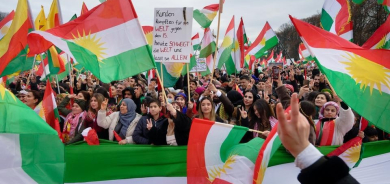
The statement comes amid renewed diplomatic efforts to reconcile governance in northeast Syria, where the SDF—a Kurdish-led coalition backed by the U.S.—has maintained de facto autonomy since the Syrian conflict began. While the SDF has yet to respond to Damascus’ latest remarks, past negotiations have faltered over disputes on power-sharing and regional autonomy.
Analysts suggest the developments could signal a potential thaw in relations, with the agreement possibly paving the way for broader political and military reintegration. However, skepticism remains over whether both sides can bridge longstanding divides.
The U.S. has not yet issued an official response, though its involvement in facilitating the agreement has been noted. Regional actors, including Turkey—which views the SDF as a security threat—are likely monitoring the situation closely.