Global Forced Displacement Hits Decade High Amid Funding Cuts: UNHCR
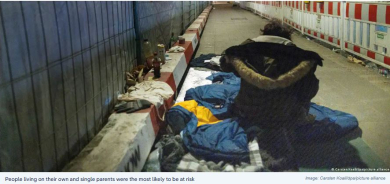
The number of forcibly displaced people worldwide has reached 122.1 million by the end of April 2025—the highest level in about a decade—according to a new report by the United Nations Refugee Agency (UNHCR). The agency described the figure as "untenably high," especially as humanitarian aid funding faces severe reductions.
The total represents an increase of 2.1 million compared to the same period last year.
At the end of 2024, a record 123.2 million people were displaced globally—one in every 67 people worldwide.
The number slightly decreased in early 2025, partly due to Syrian refugees returning home after the ouster of dictator Bashar al-Assad in December 2024. However, conflicts in Sudan, Myanmar, and Ukraine remain major drivers of displacement.
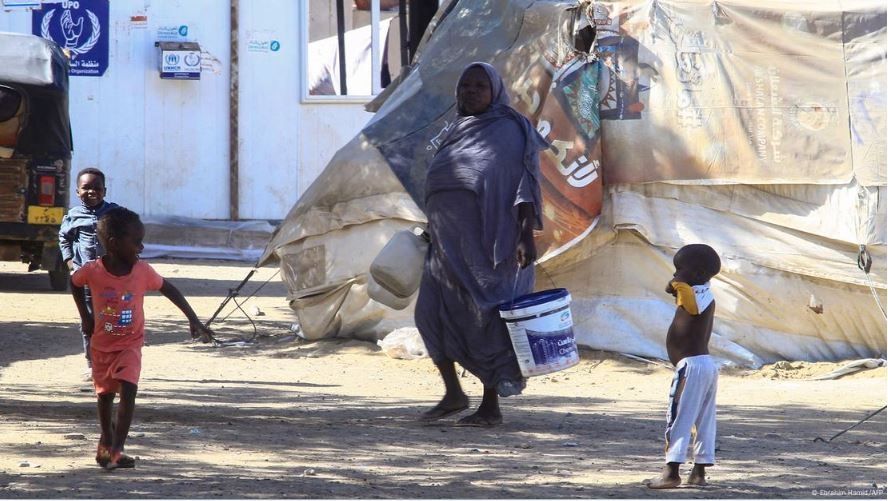
Sudan has become the country with the highest number of forcibly displaced people (14.3 million), surpassing Syria (13.5 million), Afghanistan (10.3 million), and Ukraine (8.8 million). The report highlights a sharp rise in internally displaced persons (IDPs), reaching 73.5 million by the end of 2024—60% of all displaced people never leave their home country.
Contrary to perceptions in wealthier nations, 67% of refugees remain in neighboring countries, with low- and middle-income nations hosting 75% of the global refugee population. The largest refugee-hosting countries are:
Iran (3.5 million)
Turkey (2.9 million)
Colombia (2.8 million)
Germany (2.7 million)
Uganda (1.8 million)
UN High Commissioner for Refugees Filippo Grandi noted that while global instability persists, some displaced people have been able to return home:
9.8 million forcibly displaced people returned in 2024, including 1.6 million refugees—the highest number in over 20 years.
Nearly 2 million Syrians have gone back, though the country remains fragile.
However, many returnees face instability, such as Afghans forced back to a still-volatile homeland.
The UNHCR is struggling with shrinking aid budgets, exacerbated by cuts from major donors like the U.S. (historically the largest contributor) and European nations shifting funds toward military spending. Grandi urged the international community to sustain support, calling humanitarian aid "an essential investment in global security."
"We must redouble our efforts to search for peace and find long-lasting solutions," Grandi said, warning that without adequate funding, the displacement crisis will worsen.