U.S. Welcomes PKK’s Decision to Disband, Hopes for Regional Stability
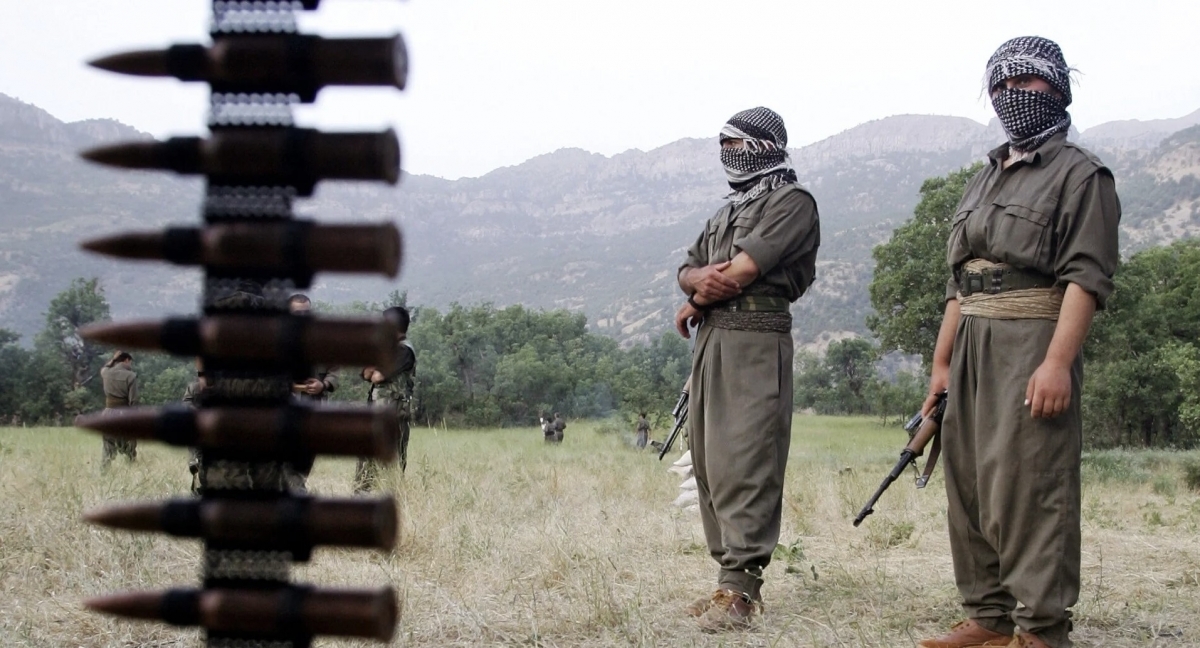
The United States has expressed support for the Kurdistan Workers’ Party (PKK)’s announcement to disband and abandon armed struggle, calling it a potential step toward greater stability in the region.
"We welcome the recent announcement from the Kurdistan Workers’ Party on its intent to disband," said Tommy Pigott, Principal Deputy Spokesperson for the U.S. State Department, during a press briefing on Tuesday.
"The United States designated the PKK a foreign terrorist organization in 1997. Tens of thousands of people lost their lives as a result of armed conflict in the decades since the organization was founded, and the terrorist group laying down its arms is a victory for civilization," Pigott added.
He emphasized that Washington hopes the move "will lead to increased stability for the region."
The PKK, which launched an armed insurgency against the Turkish state in 1984, has been a key player in one of the region’s longest-running conflicts. The group has primarily fought for greater Kurdish rights and autonomy within Turkey.
The conflict has claimed over 40,000 lives, including civilians, militants, and Turkish security personnel.
On Monday, following its 12th Congress, the PKK announced it would dissolve itself and cease military operations. The decision has been met with cautious optimism by regional officials and international observers, though questions remain about its full implementation.
Iraqi authorities and Kurdish leaders in the Kurdistan Region have suggested that the PKK’s disbandment could pave the way for reconstruction in conflict-affected border areas. It may also reduce foreign military interventions, particularly those carried out under the pretext of targeting PKK forces.
Turkey, which has long viewed the PKK as a terrorist threat, has yet to issue an official response. Analysts suggest Ankara may await concrete actions before commenting.
The U.S. statement underscores hopes that the move could de-escalate tensions and foster long-term peace in the region. However, experts caution that the transition from armed struggle to political engagement will require careful monitoring.