Iraq Sets November 11, 2025, for Legislative Elections Amid Political Tensions
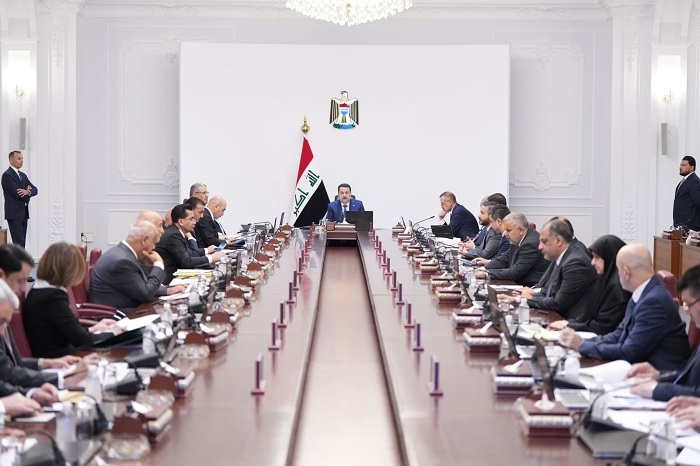
The Iraqi Council of Ministers announced Wednesday that the country’s next legislative elections will be held on November 11, 2025, following pressure from the ruling Shiite-led Coordination Framework to adhere to the scheduled timeline.
Prime Minister Mohammed Shia’ al-Sudani’s office confirmed the decision in a statement, marking a firm commitment to proceed with the elections despite calls from rival factions for a delay.
The announcement came a day after the Coordination Framework, the dominant Shiite political alliance, rejected any postponement, insisting that the government must prepare for the vote as planned. In a Tuesday statement, the bloc emphasized that “no party has the right to delay the elections or cancel the timelines” and urged Sudani’s administration to provide the necessary security and logistical support for the electoral process.
The group also called on the government to assist the Independent High Electoral Commission (IHEC), the body overseeing Iraq’s elections, in ensuring a fair and transparent vote.
Sadr’s Opposition and Calls for Delay
The Coordination Framework’s stance contrasts with reports that the National Shiite Movement, led by influential cleric Muqtada al-Sadr, has been pushing to postpone the elections and form an emergency government. Sadr, a longtime rival of the Coordination Framework, announced in March that his movement—formerly the Sadrist Movement—would boycott the 2025 polls in protest against "corruption."
The political divide has raised concerns about instability, with senior Coordination Framework figure Nouri al-Maliki, head of the State of Law Coalition, warning Monday that any delay or cancellation of the elections could lead to the “collapse” of parliament and push Iraq toward “division and strife.”
With the date now officially set, attention turns to whether the IHEC can organize the elections smoothly amid political tensions. The vote is seen as a critical test for Iraq’s democracy, with rival Shiite factions vying for influence and broader regional dynamics at play.
Observers will be watching to see if Sadr’s boycott call impacts voter turnout and whether the Coordination Framework can maintain its dominance in the next parliament.
For now, Iraq appears on track for a high-stakes electoral showdown in November.