NATO Ministers Meet Amid Rising Tensions Over Ukraine and US-Europe Trade Dispute
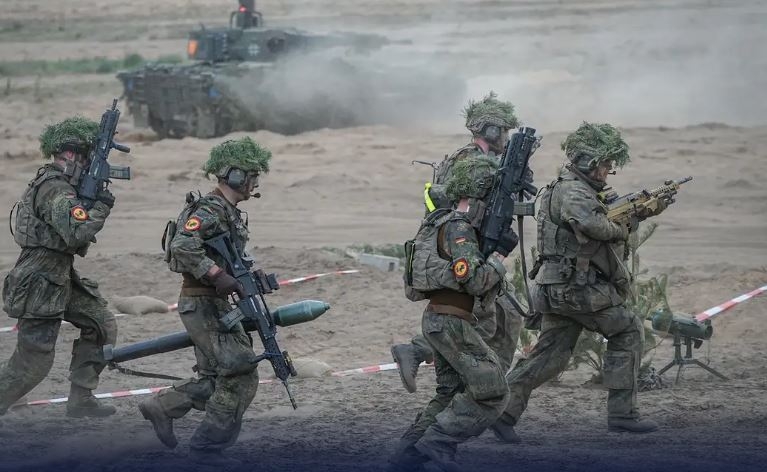
Foreign ministers from NATO member states concluded a second day of talks in Brussels on Friday, with divisions emerging between the US and its allies over trade policies and the faltering peace process in Ukraine.
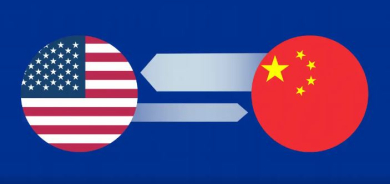
Despite NATO’s efforts to present a united front, tensions have grown as the Trump administration’s trade war with Europe and Canada continues, marked by a series of retaliatory tariffs. However, European members sought to align with Washington on Ukraine, publicly criticizing Russia for undermining a US-backed ceasefire proposal.
European NATO Members Condemn Russia
German Foreign Minister Annalena Baerbock accused Russian President Vladimir Putin of insincerity in ceasefire talks, dismissing his negotiation promises as "nothing but empty words." She claimed Putin was "playing for time by raising ever new demands."
UK Foreign Secretary David Lammy echoed the criticism, stating that Putin "continues to obfuscate and drag his feet." Lammy warned, "He could accept a ceasefire now, but instead, he continues to bombard Ukraine, its civilians, and energy infrastructure. We see you, Vladimir Putin—we know what you are doing."
French Foreign Minister Jean-Noel Barrot struck a conciliatory tone toward the US, represented by Secretary of State Marco Rubio, emphasizing that Russia "owes an answer to the United States, which has worked hard on mediation and a ceasefire proposal."
NATO’s Ukraine Peace Plans Stall
The Trump administration had pushed for a 30-day ceasefire between Russia and Ukraine, but Moscow dismissed the idea, stating that ending the conflict would be "a drawn-out process." Western intelligence suggests Russia is preparing a new offensive as winter ends, potentially strengthening its position in future negotiations.
Meanwhile, France and the UK are leading a "coalition of the willing" within NATO to deploy troops in Ukraine, aiming to enforce a future peace deal and provide security guarantees. The proposal has faced mixed reactions, with some members wary of direct NATO involvement in the conflict.
As NATO seeks to balance internal divisions and external threats, the alliance’s ability to maintain unity remains a critical challenge.