Components of Kurdistan Region Demand Representation in Federal Court Session on Election Complaints
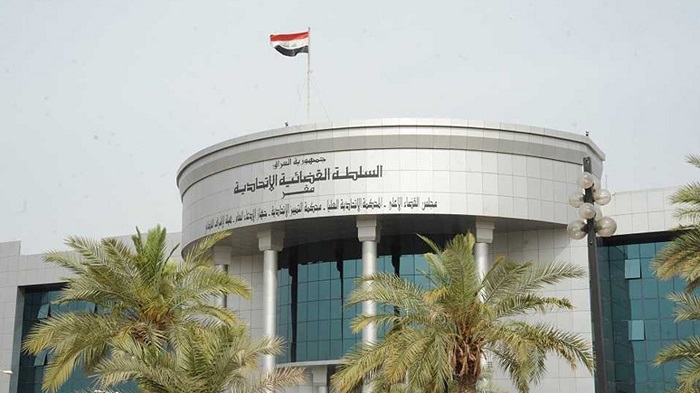
In a pivotal development today, representatives of the diverse components within the Kurdistan Region are insisting on their presence in the Federal Court session convened to address complaints related to the recent Kurdistan Parliament elections. The Turkmen and Christian communities are vocal about the necessity of having authentic representatives present during the proceedings to safeguard their rights.
The Federal Court had previously deferred its session, initially scheduled for December 3rd, citing incomplete procedures and the court's need for more detailed information regarding the election law and the specific nature of the filed complaints. An insider who spoke to Kurdistan 24 provided this information.
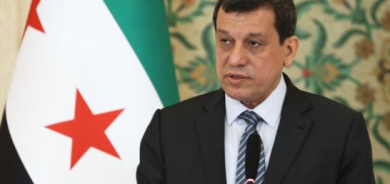
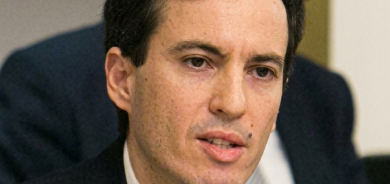
Mohammed Saad Al-Din, the leader of the Turkmen Development Party, affirmed to Kurdistan 24, "We will formally request the Federal Court's permission to attend the session as genuine representatives of the components. Our aim is to vehemently defend their rights and, if possible, counter the allegations presented."
The complaints submitted to the Federal Court encompass objections to the format of the legislative elections in the Kurdistan Region and the allocation of parliamentary seats. Ziad Jabbar, the head of the National Union bloc in the Iraqi Parliament, and Amanj Najib Shamon, a representative of Christians on the Sulaymaniyah Provincial Council, jointly filed a complaint against five articles of the Kurdistan Parliament election law. The contested issues include elections for single and multiple constituencies, as well as the overall number of seats in the regional parliament.
Article 36 of the Kurdistan Parliament Election Law, a key point of contention, allocates five seats for Chaldeans, Syriacs, and Assyrians, one seat for Armenians, and five seats for Turkmen.
These developments unfold against the backdrop of the first parliamentary elections in Kurdistan held in 1992. Subsequent amendments in 2004 saw changes to the election law, introducing Article 9, which initially specified multiple electoral districts but was later modified to a single electoral district.
As the Federal Court prepares to delve into these intricate matters, the region awaits a decision that could have far-reaching implications for the composition of the Kurdistan Parliament and the representation of its diverse ethnic and religious groups.