Iraq's Provincial Elections Witness International Observers and Smooth Process
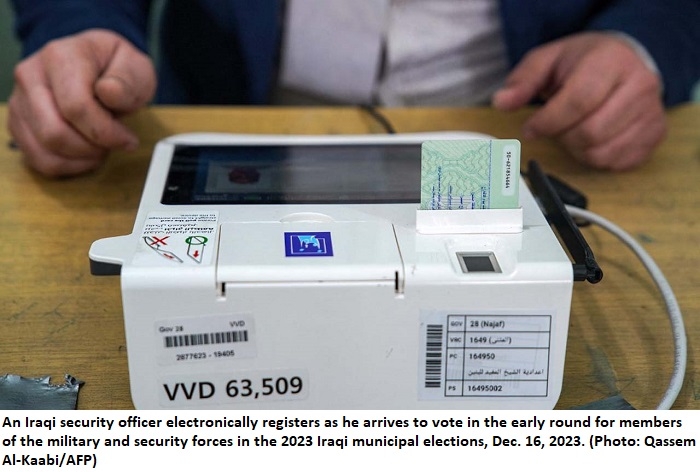
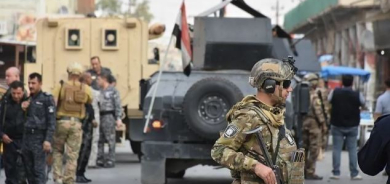
In a historic moment for Iraq, millions of voters across the country participated in the first provincial council elections in a decade. The Independent High Electoral Commission (IHEC) reported that the electoral process proceeded smoothly, with no logistical or administrative breaches recorded.
Emad Jamil, head of the media team at IHEC, stated that there are over 1,800 international observers from various countries present across 134 polling stations to monitor the elections. In addition to the international observers, there are 495 thousand observers from entities and political parties, along with 320 thousand local observers actively participating in overseeing the voting process.
"The electoral process is proceeding very smoothly in terms of equipment, procedures, and the installation of cameras inside polling stations," said Jamil. The commission has emphasized the proper functioning of voting machines and resolved any initial issues, ensuring a fair and transparent election.
A brief interruption occurred in the town of Shingal, where a power outage suspended voting in one polling station for 45 minutes earlier in the day. However, Rudaw's reporter on the ground confirmed that power was eventually restored, and the voting process resumed as planned.
Former Iraqi Prime Minister Nouri al-Maliki, a prominent Shiite leader, cast his vote in Baghdad and hailed the provincial council elections as a "dream" coming true after a decade. He expressed gratitude to the Iraqi people for their patience and support, acknowledging their role in helping local authorities function effectively despite the absence of provincial councils.
Results of the elections, spanning fifteen provinces, are expected to be announced within 24 hours after the polls close at 6:00 pm local time. The provincial councils, established in 2005 after the fall of Saddam Hussein's regime, wield significant power, including budgetary control over key sectors like education and health. However, they have faced accusations of corruption.
Deputy Prime Minister Qubad Talabani of the Patriotic Union of Kurdistan (PUK) highlighted the "decisive" nature of the elections for the return of Kurds to power in disputed areas. He noted the high sense of nationalism among citizens and expressed confidence in the Kurdish voters' enthusiasm.
As citizens exercised their right to vote, Iraqi Prime Minister Mohammed Shia’ al-Sudani, returning from a trip to Kuwait, cast his ballot in Baghdad. The provincial elections are viewed as a crucial test for Sudani's tenure and a broader assessment of political party performance.
The provincial council elections exclude the three Kurdistan Region provinces in the north and are anticipated to shape the political landscape, potentially consolidating power for pro-Iran Shiite factions. The IHEC reassures the public that the voting machines are functioning correctly, and any initial issues have been promptly addressed, ensuring the integrity of the electoral process.