Iraq-SDF dispute delays re-opening of Shingal-Rojava border crossing
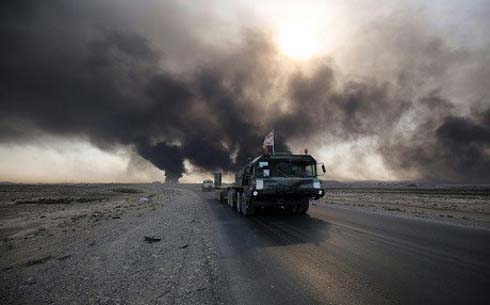
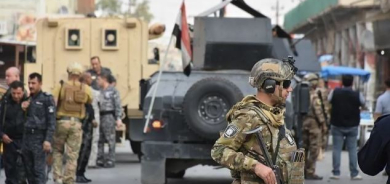
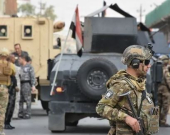
On March 20, General Othman al-Ghanimi, the Iraqi army's chief-of-staff, visited Shingal to meet with local leaders after rare clashes broke out between Iraqi troops and the Kurdistan Workers' Party (PKK)-affiliated Shingal Protection Units.
Ghanimi reached an agreement with local leaders to restrict arms carried by non-state actors and to prevent "terrorist" infiltration of the shared border. He also reportedly secured a deal whereby the SDF would reopen the border crossing.
The crossing was first opened in 2014 to allow the Syrian Kurdish People's Protection Units (YPG) and Women's Protection Units (YPJ) to provide aid and relief to the Yezidi population of neighbouring Shingal when the Islamic State group (ISIS) attacked the region.
On October 16, 2017, when an Iraqi offensive forced the Kurdistan Region’s Peshmerga to withdraw from the disputed territories, the crossing fell into the hands of Iraqi forces. It was closed on December 15, 2018.
The border crossing was used by Yezidis, especially when the Duhok-Mosul road was closed, to import vegetables, fruits and other foodstuffs.
Rudaw understands the crossing closed due to fears of ISIS infiltration and claims that weapons were being transported through the crossing by armed groups.
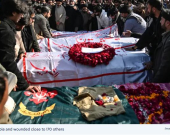
One such incident was on March 24 when three suicide bombers infiltrated Shingal via the Syrian border and then blew themselves up after being surrounded by security forces.
The crossing has been temporarily re-opened several times, and only for Yezidi survivors to cross back into Shingal. However, crossing was nevertheless difficult for the survivors.
The crossing is located near Bara village, to the west of the Khan Sor compound in the Snune sub-district of Shingal, the homeland of the Yezidi people. Once reopened, the border crossing is intended to facilitated trade and civilian travel.
Many Yezidis released from ISIS captivity have used the closed crossing to return to Shingal.
Khudeda Juke, acting mayor of Snune and a Hashd al-Shaabi commander, told Rudaw the agreement to re-open the crossing was made three months ago.
"It has been a month that the Iraqi government has put in place all the cabins and electronic devices to check IDs, and on the Syrian side, the SDF forces have finished all preparations," Juke told Rudaw.
Khudeda said the reason for the delay in reopening the crossing is due to the Iraqi insistence that the Syrian national flag should be hoisted over the crossing and that the crossing must be under official Syrian government control.
"The SDF is yet to accept this demand, so the re-opening of the crossing got delayed," Khudeda said.
"The SDF have told the Iraqi side that they are an official force and do not need to hoist any other flag," he added.
Aldar Khalil, a spokesman for northern Syria's ruling TEV-DEM and a member of its executive council, confirmed the Iraqi side had made the demand.
"This Iraqi demand is open for evaluation and discussion. We will discuss it and make the final decision," Khalil told Rudaw.
The US-backed SDF led the ground war against ISIS in eastern and northern Syria, cutting the group off from Iraq.
Iraq and the SDF have had several dealings in the past. More than a hundred ISIS suspects captured by the SDF were handed over to Baghdad in February to be tried in Iraqi courts.
Moreover, thousands of Iraqis with ties to ISIS are holed up in the vastly overcrowded al-Hol camp in Kurdish-controlled Hasaka, northeast Syria. The SDF and Iraq have agreed for 20,000 Iraqis to be repatriated.
Yezidis have told Rudaw they are concerned about the opening of the border crossing as it could mean Iraq repatriating nearly 2,000 families with ties to ISIS and settling them on the Nineveh Plains, close to their homeland.
The SDF holds much of the Syrian territory it liberated from ISIS. However, the Syrian regime of Bashar al-Assad who has vowed to re-establish control.
Rudaw