Iran Executes Two Prisoners Alleged to Be Linked to MEK Amid Ongoing Conflict
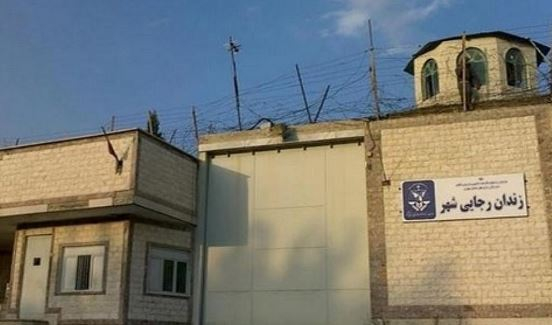
Iranian authorities have executed two prisoners accused of links to the opposition group Mojahedin-e-Khalq (MEK), according to reports by the state broadcaster Islamic Republic of Iran Broadcasting (IRIB).
The two men, Abolhassan Montazer and Vahid Bani Amerian, were hanged after their death sentences were confirmed by Iran’s Supreme Court. Officials said the pair had been convicted on terrorism-related charges and accused them of belonging to an armed cell allegedly affiliated with the MEK.
State media reported that the group had carried out several attacks and explosions in Tehran under the direction of handlers operating from outside the country. Authorities described Montazer as a central organizer within the network, alleging that he arranged safe houses used to store equipment and assemble improvised explosive devices and launcher systems.
Investigators claimed that the group financed its operations through cryptocurrency transfers. According to IRIB, the safe houses rented by Montazer functioned as workshops where weapons and explosives were assembled.
Bani Amerian was reportedly arrested alongside Montazer while authorities said they were preparing to launch another attack. Officials stated that the two were detained with four launcher devices in their possession.
Iran’s judiciary charged both men with armed rebellion, membership in an anti-state group, collusion against national security, and participating in activities aimed at overthrowing the government. After reviewing the case and evidence, the court found them guilty and issued death sentences.
Iran frequently announces arrests and executions of individuals accused of ties to opposition groups it labels as terrorist organizations, including the MEK.
The executions come amid escalating tensions during the ongoing conflict involving Iran, the United States, and Israel. According to the monitoring group Human Rights Activists in Iran (HRANA), at least 1,607 civilians, including 244 children, and 1,213 military personnel have been killed in Iran since the start of the conflict. The group reported that 711 additional deaths have not yet been classified as civilian or military, reflecting difficulties in verifying the full toll of the war.
The executions have also drawn international concern. The United Nations’ Special Rapporteur on human rights in Iran, Mai Sato, said she was concerned about the fate of Montazer and Amerian prior to their executions.
In a statement posted on X, Sato noted that internet shutdowns in Iran have made independent monitoring of events difficult and called on authorities to halt executions during the current crisis and allow families access to detained relatives.
The latest executions follow other cases reported during the recent unrest. Iranian authorities executed Amir Hossein Hatamai, a 19-year-old who had been detained during protests earlier this year. According to state media, Hatamai was accused of attempting to seize weapons from a Basij base armory in eastern Tehran during demonstrations in January.
Iranian officials described the protests as riots and alleged that participants sought to overthrow the government. Human rights groups, however, have accused security forces of using excessive force during the crackdown.
Reports indicate that more than 25,000 people were detained during the unrest, while authorities have pledged to prosecute those accused of involvement in attacks against security forces.