Iraq Temporarily Allows Food and Medicine Imports Through Ibrahim Khalil Border Crossing
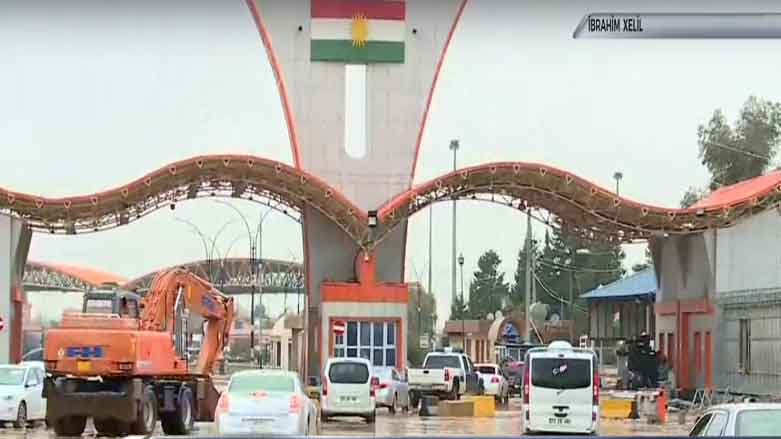
The Iraqi government has decided to temporarily allow the import of food and medicine through the Ibrahim Khalil Border Crossing for a period of three months, in response to disruptions in maritime trade caused by the ongoing conflict involving Iran.
The decision was announced by Samer Qasim Dawood, head of Iraq’s General Customs Authority of Iraq, who said the measure aims to ensure the continued supply of essential goods to the country.
“This decision will be implemented for three months, until May 31, and the same procedures used at other Iraqi border crossings will apply,” Dawood told Rudaw Media Network.
Under the new measure, traders importing food and pharmaceutical products through the Ibrahim Khalil crossing must follow Iraq’s advance customs clearance system, which requires them to deposit customs duties and tax guarantees before transferring foreign currency for imports. These payments will be placed in accounts belonging to the General Customs Authority and the General Commission for Taxes of Iraq.
The advance customs system was first introduced by Iraq in November 2025. The system requires traders to pay customs duties in advance and obtain a clearance code through the ASYCUDA digital customs platform before goods are permitted to cross borders.
The decision comes amid growing regional tensions following the war involving Iran, United States, and Israel, which began on February 28 after joint US–Israeli airstrikes targeted Iranian positions.
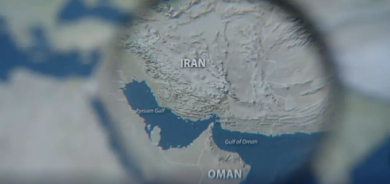
The conflict has severely disrupted maritime traffic through the Strait of Hormuz, a crucial global shipping route responsible for transporting roughly 20 percent of the world’s oil and gas. Iran has warned that ships attempting to pass through the strait could face attacks, prompting shipping companies and insurers to suspend operations in the area.
The disruption has already begun affecting Iraq’s economy. With tanker traffic restricted, the country has been forced to reduce oil production and exports because vessels are unable to depart from southern Gulf ports.
According to Hami Harki, head of Arc Star International Transport, the new measure aims to maintain the flow of essential goods into Iraq despite the maritime crisis.
“This step is meant to prevent the negative impact of the closure of the Strait of Hormuz on the import of food and medicine through Iraqi ports,” Harki said.
However, he warned that the decision may create additional challenges for traders, as goods entering through the Kurdistan Region could face double customs payments—one to the Kurdistan Regional Government and another to the federal government in Baghdad.