US Supreme Court Strikes Down Trump Tariffs, Administration Prepares Swift Reinstatement
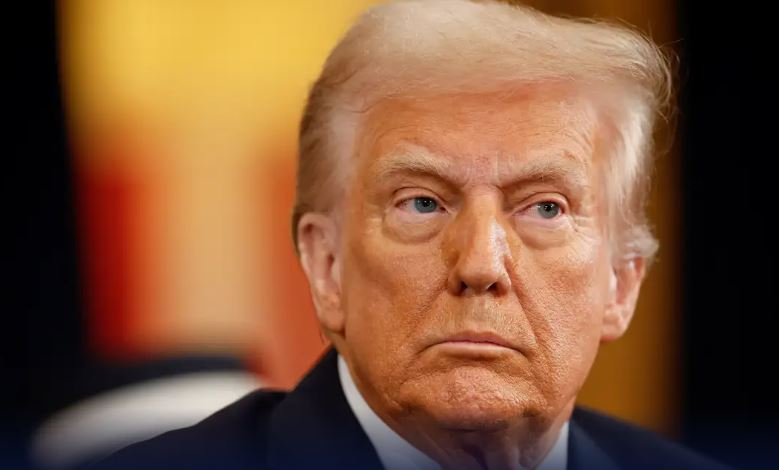
In a major constitutional ruling, the US Supreme Court has struck down most of President Donald Trump’s tariffs, delivering a significant political and legal setback to the administration while setting up the next phase of a high-stakes trade battle.
In a 6–3 decision, the Supreme Court of the United States ruled that President Donald Trump exceeded his authority by using the International Emergency Economic Powers Act (IEEPA) to impose sweeping tariffs on US trading partners over the past 13 months.
The ruling focused not directly on tariffs themselves, but on the constitutional limits of presidential power. The justices concluded that the emergency powers law did not grant the president broad authority to restructure trade policy without congressional approval.
Despite the court’s decision, the Trump administration has indicated it is prepared to act quickly. Officials had anticipated the possibility of such a ruling and have reportedly been preparing alternative legal pathways to reinstate tariffs.
Jamieson Greer, the US Trade Representative, previously described any Supreme Court rejection as “a bump in the road,” emphasizing that tariffs would remain central to the administration’s trade strategy.
Legal experts note that several other statutes remain available to the president:
Section 122 of the Trade Act of 1974 allows the president to impose tariffs of up to 15% for 150 days without congressional approval.
- Section 232 of the Trade Expansion Act permits tariffs on national security grounds following a Commerce Department investigation. This mechanism has previously been used to target steel and aluminum imports.
- Section 301 of the Trade Act of 1974 enables tariffs against countries deemed to violate trade agreements, though it requires lengthy investigations.
- While these alternatives are legally viable, many require investigations and detailed justification, potentially slowing implementation.
- The ruling also raises questions about the fate of billions of dollars already collected in tariff revenue.
According to data cited during oral arguments, US Customs and Border Protection collected $287 billion in customs duties, taxes, and fees in 2025 — a 192% increase compared to the previous year, based on calculations by the Federal Reserve Bank of Richmond.
If the tariffs are deemed unlawful, affected importers — primarily businesses — may seek refunds. However, consumers are unlikely to receive direct reimbursements, as tariffs are paid by importing companies rather than individuals.
For the federal government, processing large-scale refunds could create administrative challenges while simultaneously reducing treasury revenues by billions of dollars.
The case reached the high court after hundreds of lawsuits were filed by businesses opposing the tariffs. The Supreme Court case was brought by a group of companies, including Learning Resources, Inc., which argued that the administration’s use of emergency powers overstepped constitutional limits.
Throughout his presidency, Trump has imposed tariffs on multiple countries, sometimes pausing or renegotiating them. He has cited trade imbalances, national security concerns, and drug smuggling as justification.
Critics argue that many of the tariffs were less about correcting trade deficits and more about leveraging economic pressure to influence foreign governments.
Ultimately, the Supreme Court’s ruling underscores a broader debate over executive power. By limiting the use of emergency economic authority in trade policy, the court has reinforced congressional oversight — even as it leaves open alternative legal tools for the administration to continue its tariff agenda.
While the decision marks a setback for the White House, it is unlikely to signal the end of tariffs as a central feature of US trade policy.