Iraq Terminates Contracts of Advisors in Government Cost-Cutting Move
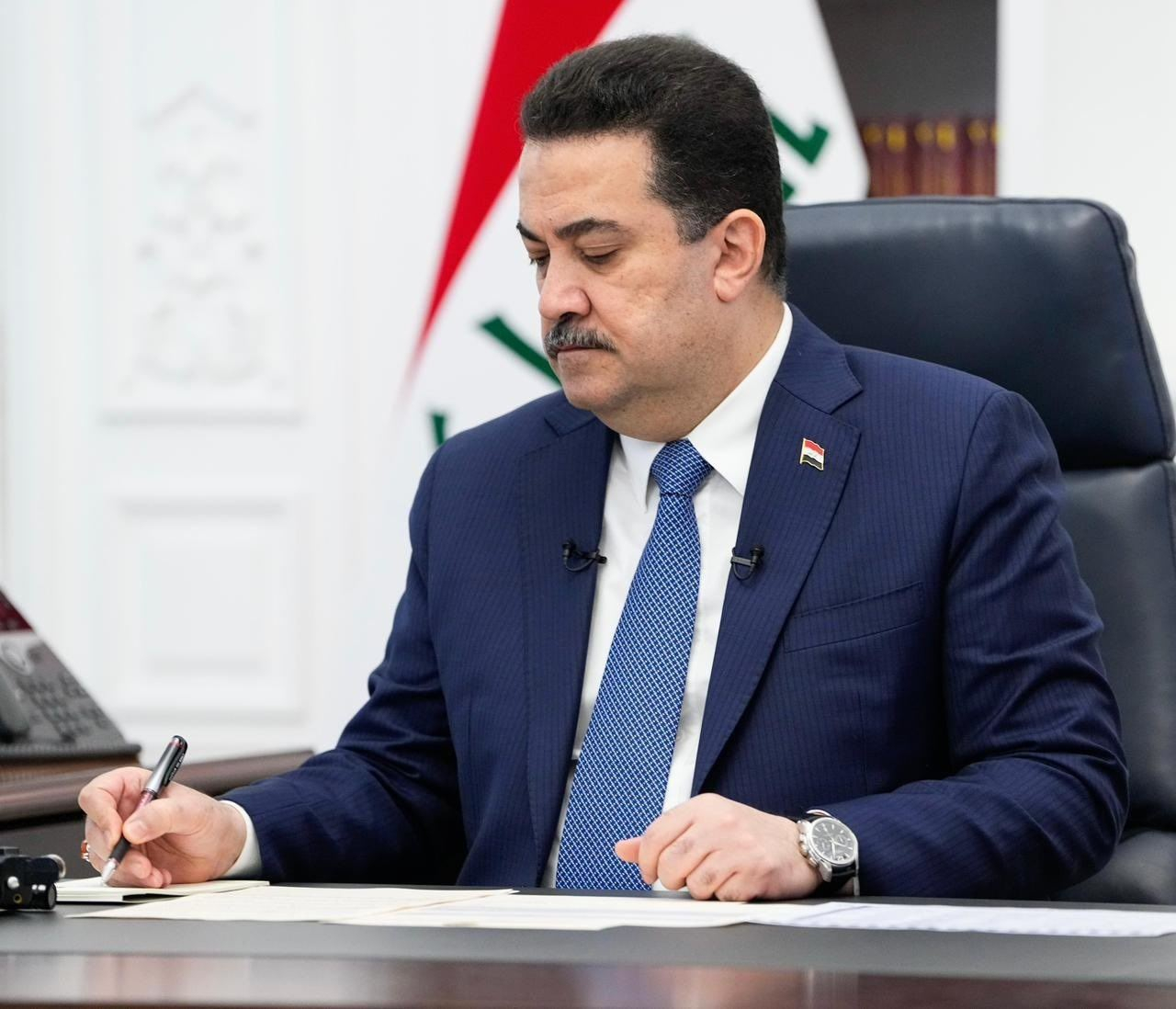
Iraq’s Prime Minister Mohammed Shia' al-Sudani announced on Monday the termination of contracts for a number of government advisors and experts, part of broader efforts to reduce public expenditures and improve administrative performance.
The prime minister’s office said it has “taken several steps to consolidate and reorganize its various departments and units. These measures aim to reduce expenditures and enhance performance.”
The terminated advisors had been responsible for managing several “important and vital files” linked to government programs, which reportedly reached an overall completion rate of 88 percent, the statement added. The office expressed appreciation for the contributions of the affected advisors and all personnel involved in implementing these projects across government institutions.
Iraq has long sought comprehensive reforms to diversify its economy and reduce dependence on volatile oil revenues. Ongoing initiatives include automating tax collection, tackling tax evasion, revising government service pricing, and digitizing customs and border procedures in cooperation with international organizations such as the United Nations.
“The government is working to build a sustainable revenue base that is independent of oil market fluctuations, supports economic growth plans, and enhances the country’s financial stability, which is the main goal of prosperity and the essence of economic reform,” said Mazhar Mohammed Salih, a financial advisor to the prime minister, in a previous interview with Rudaw.
Despite these efforts, Iraq’s economy remains heavily reliant on oil. In June 2023, the Iraqi parliament passed a highly contentious three-year budget for 2023-2025, totaling a record $152 billion in spending. Analysts have warned that the budget’s reliance on an assumed $70 per barrel oil price could threaten economic stability if prices fall below this threshold.