One Year After Devastating War, Hezbollah Shows Financial Resilience Despite Mounting Pressures
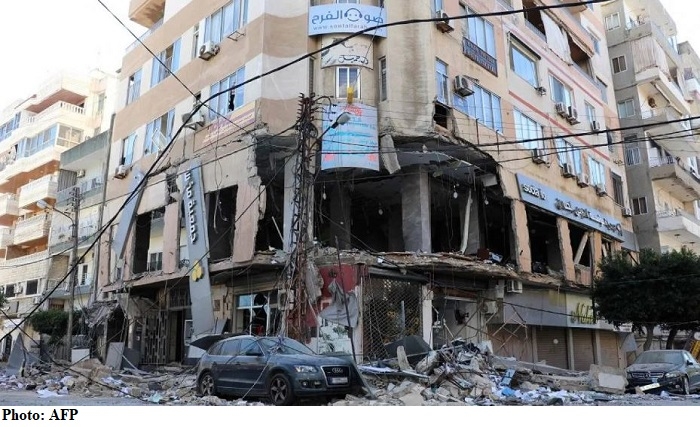
One year after a devastating war with Israel that killed Hezbollah leader Hassan Nasrallah and crippled the group’s infrastructure, the Iran-backed movement has managed to maintain financial stability, continue paying its fighters, and sustain its extensive network of social services, an investigation by AFP reveals.
Despite the assassination of Nasrallah in a September 2024 Israeli strike, the group has preserved internal cohesion under his successor, Naim Qassem. Fighters continue to receive monthly cash salaries ranging from $500 to $700—significantly above Lebanon’s minimum wage—while the families of fallen members are paid stipends for rent and essential needs.
The organization also continues to fund schools, hospitals, and charities, making it “one of the largest employers in Lebanon,” according to researcher Joseph Daher. A Hezbollah source, speaking on condition of anonymity, claimed the group has provided around $1 billion in aid to 50,000 families since last year’s ceasefire, though the figure could not be independently verified.
In a shift from its post-2006 war strategy, however, Qassem has insisted that the Lebanese state, not Hezbollah, lead reconstruction efforts—a process that has yet to begin.
Hezbollah’s finances face significant headwinds. Tighter government scrutiny in Lebanon, the collapse of its key ally Bashar al-Assad in Syria last December, and intensified U.S. sanctions are creating pressure. Washington has long accused the group of funding itself through global business ventures, drug trafficking, and illicit trades such as “blood diamonds” and captagon—allegations Hezbollah denies.
Still, researchers note the group continues to benefit from a web of companies and businessmen linked to its networks in Iraq, Lebanon, and abroad.
Meanwhile, Israeli military pressure persists. On Sunday, an Israeli drone strike near the southern Lebanese town of Bint Jbeil killed at least five people, including three children. The Israeli military stated it targeted a Hezbollah operative “acting from within a civilian population,” adding that civilian casualties were unintentional.
The strike drew sharp international condemnations. Lebanese President Joseph Aoun, speaking from the UN General Assembly in New York, denounced the incident as a “massacre” and urged the international community to pressure Israel to respect the ceasefire agreement. Lebanese Prime Minister Nawaf Salam condemned the strike as a “deliberate crime against civilians.”
In a significant political development, Foreign Minister Youssef Raggi stated that Hezbollah’s disarmament would be completed within three months in border areas. The Lebanese Army warned that Israel’s ongoing strikes—which it says have reached 4,500 violations since the November ceasefire—risk undermining efforts to disarm the powerful militia.
Hezbollah, founded in the 1980s with Iranian support, has grown into a dominant political and military force in Lebanon. Its social welfare programs, armed capabilities, and alignment with Tehran have given it significant influence but also made it the target of international sanctions and repeated Israeli campaigns.
The 2024 war was one of the most destructive in Lebanon since 2006, severely weakening the group’s infrastructure. Yet, its ability to maintain salaries and aid has underscored its resilience and reliance on Iran’s backing and a shadow financial system.